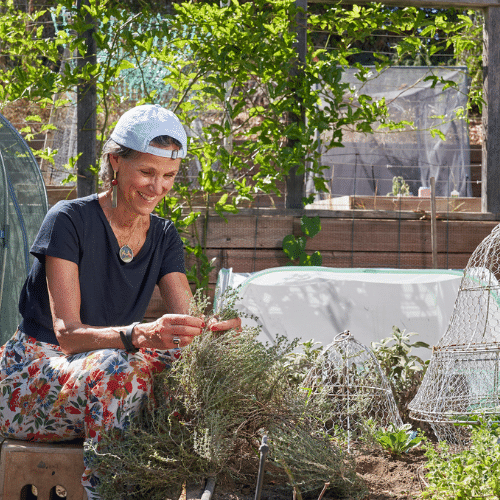
Fulbright Scholar to study diabetes prevention at UCLA Fielding School of Public Health
Massey University’s Dr. Tupa’ilevaililigi Ridvan Firestone brings expertise in disease prevention from work in New Zealand and across the Pacific.
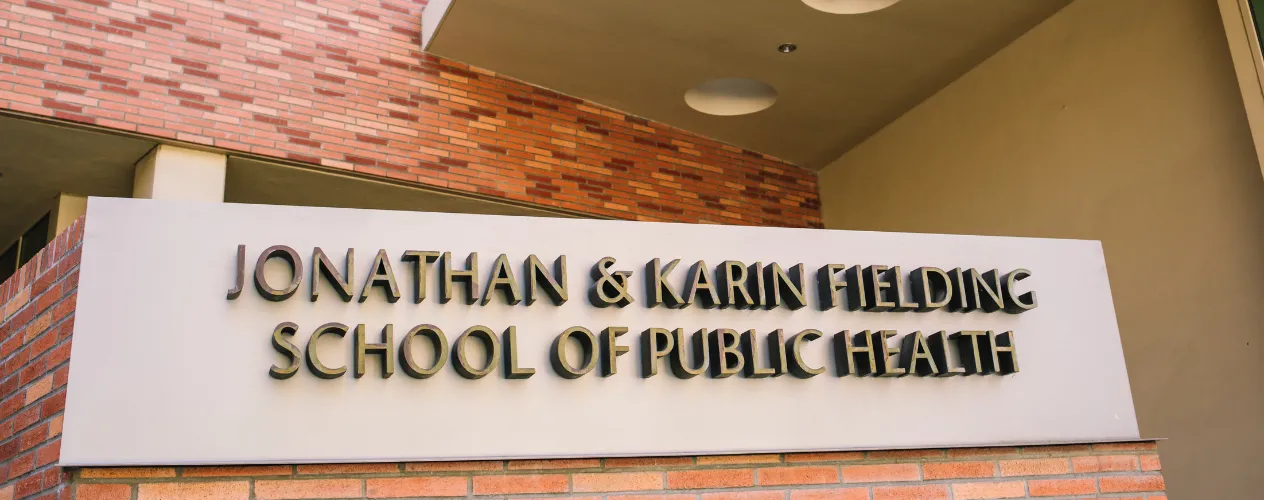
An internationally-known public health scientist from New Zealand’s Massey University will be joining researchers at the UCLA Fielding School of Public Health to study diabetes prevention, with a focus on youth and adolescents.
Dr. Tupa’ilevaililigi Ridvan Firestone, a professor at the Centre for Public Health Research at Massey University, Wellington, will work at UCLA this fall alongside Dr. Rebecca Delafield, with the school’s Department of Community Health Sciences, to conduct a youth co-designed Type 2 diabetes prevention program.
“I was drawn to UCLA Fielding because it offers a strong public health environment and to collaborate with the partnerships developed with Dr. Delafield and community-based organizations who are connected to Native Hawaiian and Pacific Islander communities in California,” Firestone said. “For me, this partnership is an opportunity for reciprocal learning between New Zealand and the United States, and to further my research work with Pacific youth and communities to co-design culturally appropriate approaches to diabetes prevention that respond to their real social, cultural, and health needs.”
Diabetes is a chronic condition that reduces the body’s ability to process glucose (blood sugar). Adverse health effects include damage to the circulatory system, vision problems, nerve damage, stomach or intestinal problems, slow healing, kidney disease, and the risk of heart disease, stroke, and cancer.
Firestone’s work in the United States is supported by an award from Fulbright New Zealand, established in 1948 by New Zealand and the U.S. to administer the Fulbright exchange program in New Zealand. New Zealand was the fifth country to join the program and is one of more than 150 participating countries today.
The Fulbright Program itself was established in 1946 as an initiative of the late U.S. Sen. J. William Fulbright, (D-AR) to promote mutual understanding through educational and cultural exchanges between the U.S. and other countries. In Fulbright’s words, the program aims “to bring a little more knowledge, a little more reason, and a little more compassion into world affairs and thereby to increase the chance that nations will learn at last to live in peace and friendship.”
“Fulbright’s mission is one of fostering compassion, mutual understanding and improving lives, crucial to a more peaceful world,” said Penelope Borland, Fulbright New Zealand’s executive director. “The exceptional caliber of this group of awardees is testament to this mission, and we look forward to supporting them.”
Since 2015, Firestone has led teams to co-design and deliver community-led health prevention programs; in 2025, her team published a research finding that 35 per cent of a sample of 276 school children, aged 11-13, in the city of Wellington were at moderate-to-high risk of prediabetes.
“This project reflects the connections among Pacific-origin peoples across the Pacific Rim, who share histories of colonization, migration, cultural resilience, and disproportionate burdens of type 2 diabetes and other health inequities,” Firestone said. “I see this work as a way to strengthen trans-Pacific collaboration among community health workers, youth leaders, public health researchers, and community-based partners, so that we can share evidence, resources, and practical prevention models that are community-led, culturally grounded, and sustainable.”
Delafield, assistant professor of community health sciences and the Jonathan and Karin Fielding Presidential Chair in Health Equity, specializes in community-engaged research and maternal and perinatal health with a focus on the Native Hawaiian and Pacific Islander communities in the U.S. She said that working alongside indigenous scholars from around the world facilitates knowledge sharing about complex realities shaping health, healthcare access, and can generate culturally grounded innovative strategies to advance health.
“Whether we are looking at diabetes or maternal and infant mortality, Pacific Islanders experience a disproportionate burden compared to the general population in both the U.S. and New Zealand, in spite of contextual differences,” Delafield said. “To reduce this burden, communities need to be involved in shaping solutions. I am excited l to collaborate on this project and introduce Dr. Firestone and her research to UCLA and the broader community.”
Note: Through the U.S. Fulbright program there are also opportunities for Americans to research or study in New Zealand. Find out more here.