Student Perspectives: Department of Biostatistics
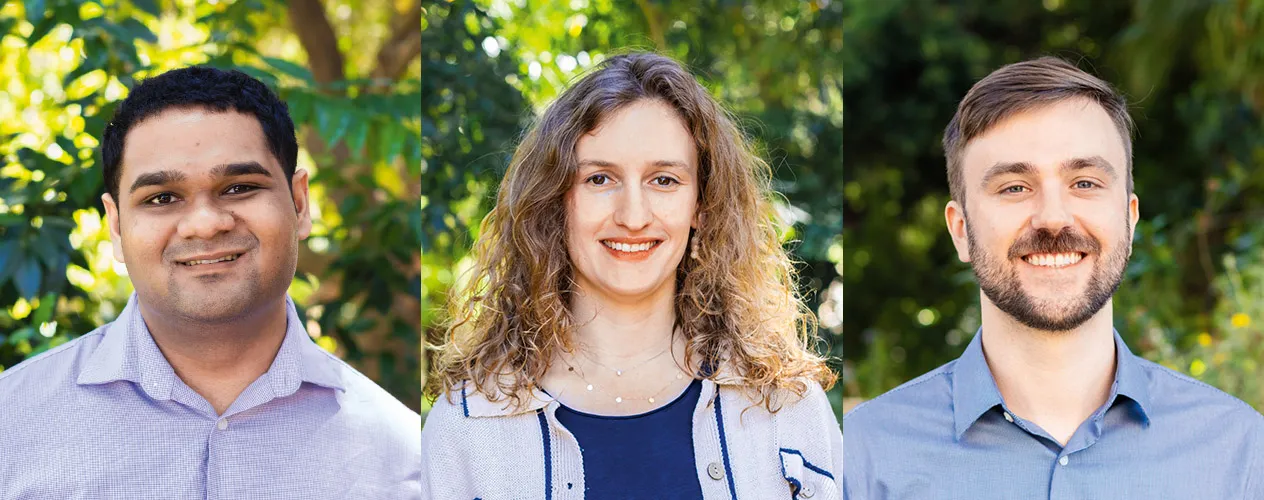
The Power of Statistics in Revealing Disease Susceptibility
Amaan Jogia-Sattar
MS Student, Biostatistics
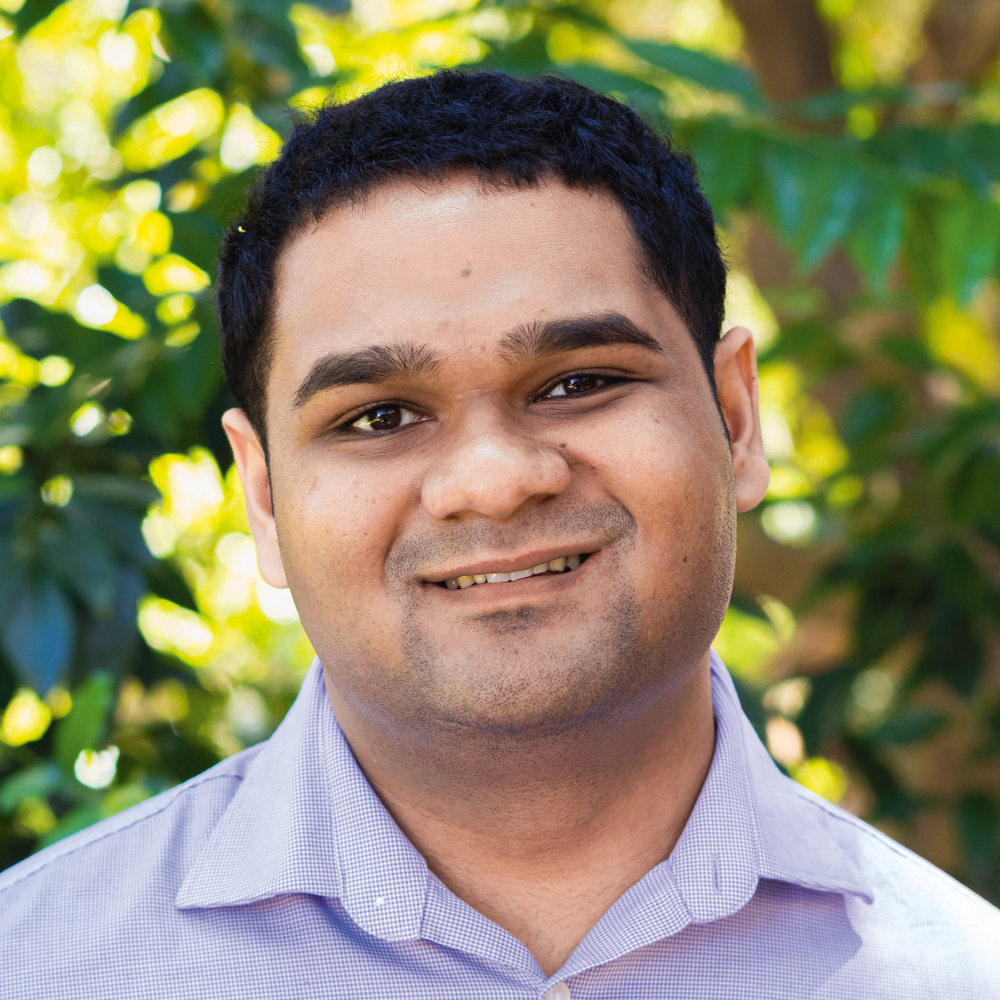
Most common diseases arise not from a single gene, but from the cumulative influence of thousands of small inherited differences. Translating these associations into biological understanding remains a fundamental challenge in biomedical research. Addressing this challenge requires understanding how inherited variation shapes gene regulation and why, as a result, individuals differ so widely in disease susceptibility and treatment response. My interest in this problem took root during a summer research program at UCLA, where I worked on integrating electronic health records with biobank data to study breast cancer survivorship. This experience convinced me that rigorous statistical methodology is central to uncovering the biological mechanisms that drive disease.
At UCLA Fielding, under the supervision of Dr. Brunilda Balliu, I am developing statistical and computational methods to study how inherited variation influences regulatory mechanisms using longitudinal functional genomics data. UCLA Fielding’s collaborative culture and methodological depth have provided a strong foundation for this work. Looking ahead, as I enter the PhD program in FSPH’s Department of Biostatistics, I hope to develop methods that close the distance between genetic discovery and clinical application so that insights from genomic research can more meaningfully inform how we prevent, treat, and understand complex disease at the population level.
Identifying Neuromarkers for Autism Spectrum Disorder
Emma Landry
PhD Candidate, Biostatistics
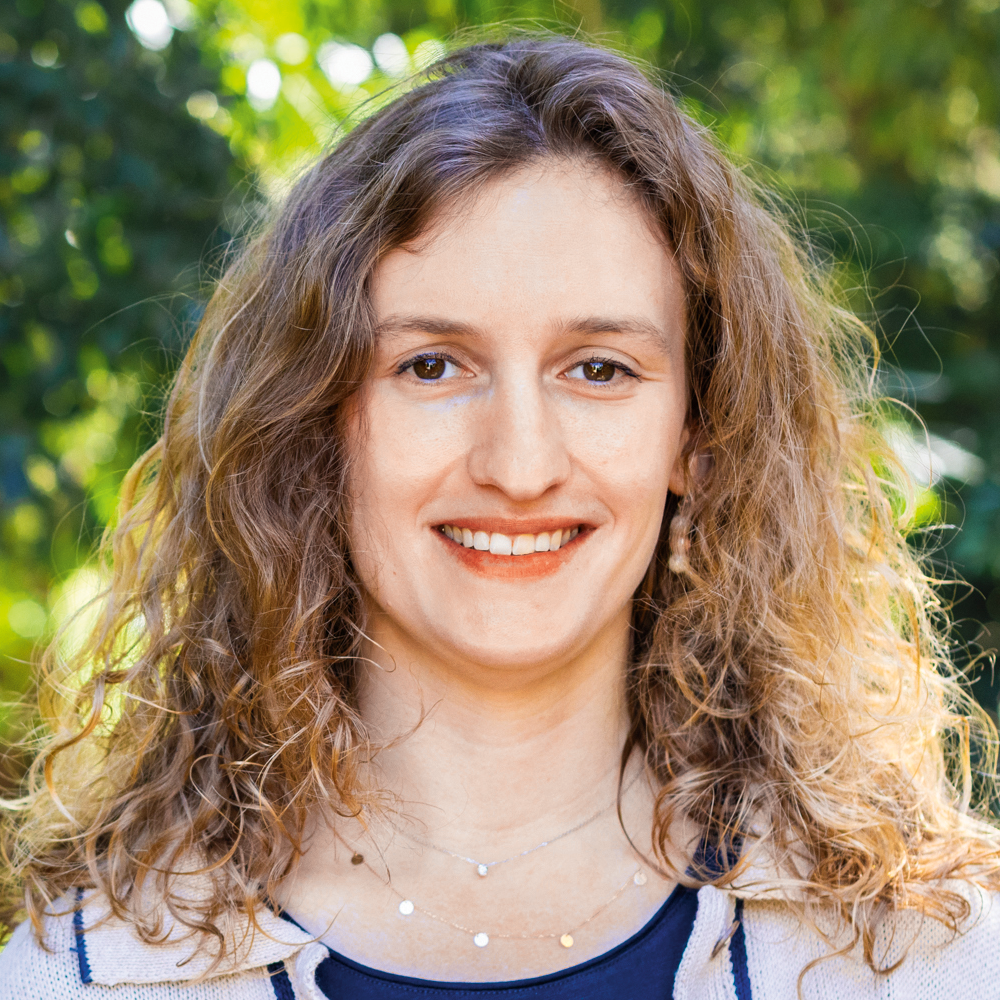 After obtaining my undergraduate degree in mathematics, I was drawn toward research in which I could apply my quantitative skills to real-world biomedical problems. I became particularly interested in developing new methods to help improve scientific understanding of complex data structures, for which standard statistical techniques are typically insufficient. This led me to join the FSPH Department of Biostatistics, where I have been able to work on problems that combine methodological innovation with impactful scientific contributions. In my dissertation, I focus on the identification of neuromarkers for Autism Spectrum Disorder (ASD) in electroencephalogram (EEG) studies through the development of novel Bayesian functional and distributional data analysis methods.
Autism is a neurodevelopmental condition typically diagnosed after the second year of life through behavioral symptoms, but its presentation is highly heterogeneous, often leading to delayed or missed diagnoses. EEG offers a noninvasive and low-cost clinical tool to monitor brain development, facilitating earlier and more effective interventions. By leveraging the underlying geometry of the complex signals, my methods better identify and quantify differences in the brain activity among children with and without ASD. In the future, I hope to expand these approaches to other types of neuroimaging data, leading to improved understanding of brain development and supporting better diagnosis.
Developing AI Models to Characterize Alzheimer’s Progression
Ryan O’Dell
PhD Student, Biostatistics
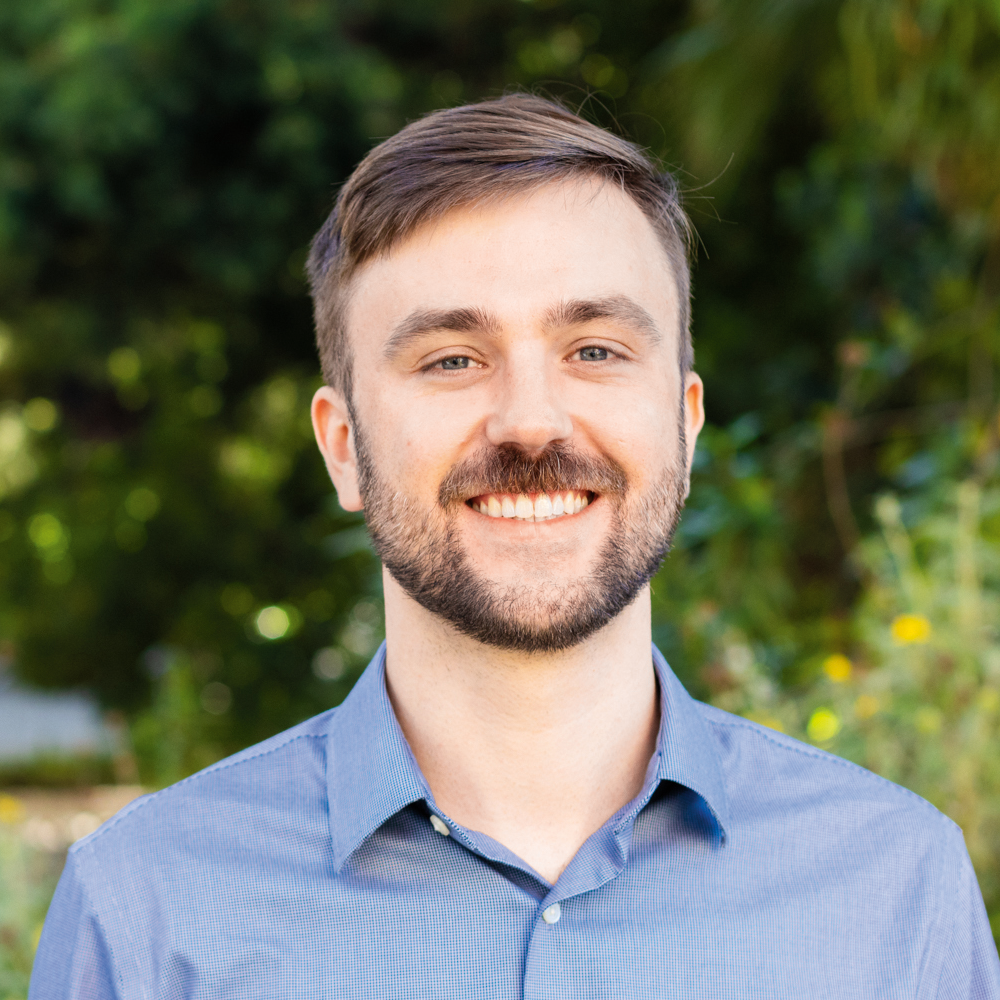 My interest in public health grew from a desire to understand how subtle changes in biological systems can shape health outcomes. My research focuses on neurodegenerative diseases such as Alzheimer’s disease, where these processes develop gradually. A central challenge I hope to address is understanding how changes in the brain accumulate, and how these changes relate to cognitive decline.
To better understand these changes, I work on analyzing novel longitudinal recordings from the brain that capture how activity unfolds over time. My work focuses on developing AI models that can separate different patterns of activity and track how they change across different brain regions. The aim is to distill complex, high-dimensional brain activity data into interpretable progression forecasts. This approach helps to reveal subtle changes that better characterize disease progression, with the long-term goal of improving how we detect these shifts earlier.
The UCLA Fielding School of Public Health has given me a unique opportunity to work on critical questions about disease progression. I hope to build on this work by developing tools that improve how we characterize neurodegenerative diseases and support earlier intervention.