Student Perspectives: Department of Community Health Sciences
Health Information That Connects
Nikolas Wianecki
PhD Student, Community Health Sciences
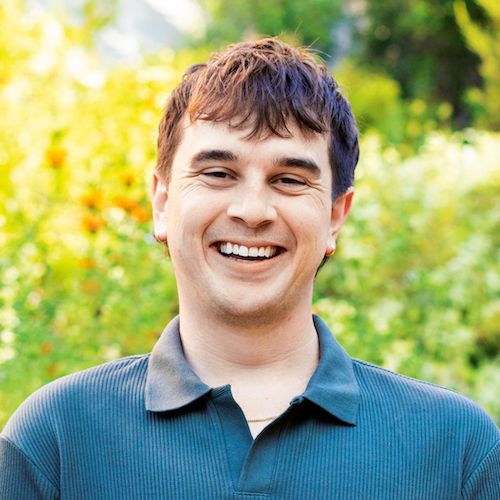 I became interested in health communication after seeing a disconnect between the health information that is available and what people actually do with it. Everyone interprets information through their own contexts, including what they trust, what feels relevant, and what seems possible. That gap, which exists across nearly every health issue, isn’t just about access to information, but whether it connects.
Through my studies and work at UCLA, I’ve witnessed this firsthand. In a vaccine communication project in California, I worked with community partners to support more accessible and culturally relevant messaging. More recently, with my adviser Dr. Philip Massey, I’ve evaluated digital health campaigns in West Africa that use community voices to share reproductive health information. Across these experiences, framing has shaped whether people engage with information.
That focus is what draws me to this field. I’m interested in how communication can better connect awareness to action, particularly in areas like climate change and environmental hazards, where the issue is still debated by some and feels abstract to others. At UCLA Fielding, I’ve developed the tools to study these problems in real-world settings and in partnership with communities. I want to help reshape how public health communicates so information doesn’t just reach people, but resonates enough to lead to change.
Breaking Cycles, Building Health
Jocelyn Chau-Goh
MPH Student, Community Health Sciences
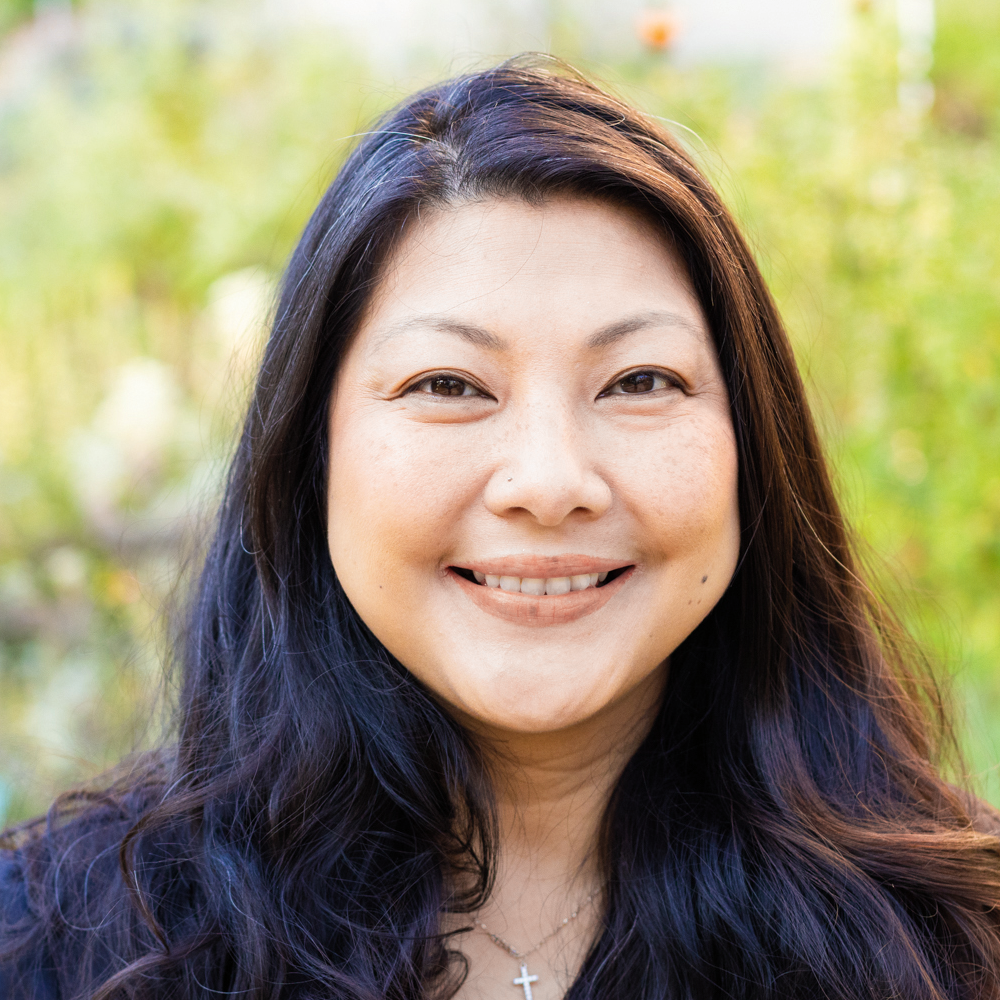 My experience with incarceration has deeply shaped how I see public health and the work I want to do. After my release, I struggled to find stable employment and direction, and I experienced how difficult it is to rebuild without education, job skills, or consistent support. Those barriers impact more than income. They shape mental health, confidence, sense of purpose, and overall well-being. Returning to school became a turning point. It opened doors and changed what I believed was possible. As I continued my education, I learned more about recidivism and the systems that shape it. It became clear that access to education is strongly linked to lower recidivism rates. It can reduce violence and crime, increase financial stability, and create safer, more supportive communities, with benefits that extend across generations.
At UCLA Fielding, I have become more aware of the health challenges faced by incarcerated and formerly incarcerated populations. To me, reducing recidivism is one of the most meaningful public health interventions. When people have access to education, employment, and support after release, individuals and communities are better positioned to thrive. My goal is to create pathways to education and opportunities for justice-impacted individuals and to contribute to community-based participatory research that partners directly with impacted communities, because those closest to the problem often hold the solutions.
Decolonizing Disability in Public Heath
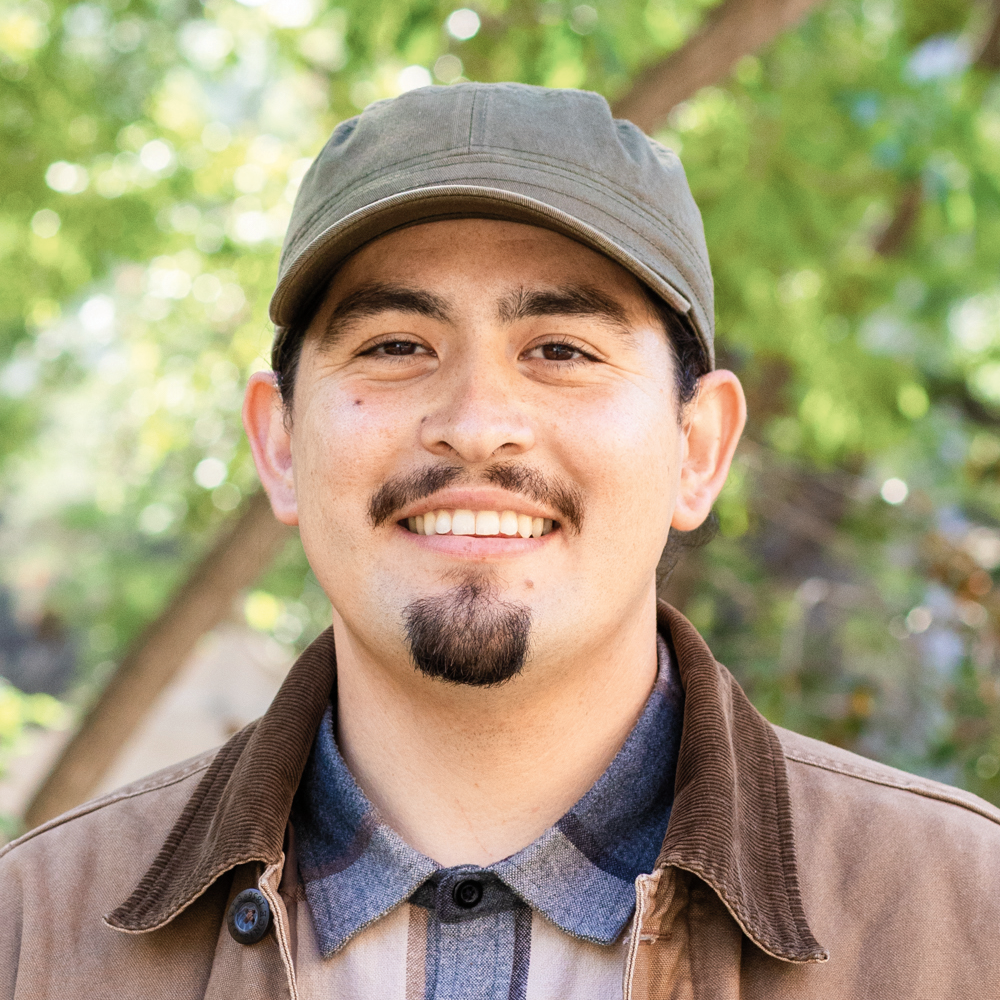
Adrian Chavez
MPH/MSW Student, Community Health Sciences
"Nothing about us without us."
— Alice Wong (1974–2025)
As a Deaf, neurodivergent scientist of Indigenous (Nahua/Guachichil) and Mexican descent, I am constantly navigating systems that treat my differences as deficits. I regularly observe how healthcare, education, and social services are shaped by settler colonial ideas of normalcy that prioritize independence, productivity, and conformity, thereby excluding and harming those, like myself, who communicate and exist in the world differently.
These lived experiences have led me to disability justice and a commitment to decolonizing disability in public health and beyond. Within public health, I am especially interested in how neurodevelopmental disabilities intersect with race, language, and culture, shaping inequities in care and support across the lifespan for people who are Deaf and on the spectrum. To me, decolonizing disability means centering interdependence, accessibility, and community-defined care, while transforming systems to support diverse ways of being.
At UCLA Fielding, I am building skills in policy, advocacy, and implementation science to move beyond individual-level interventions and toward systems change. Ultimately, I am committed to advancing disability justice by centering disabled voices, redistributing power, and helping build systems that are designed with us, not for us