Student Perspectives: Department of Environmental Health Sciences
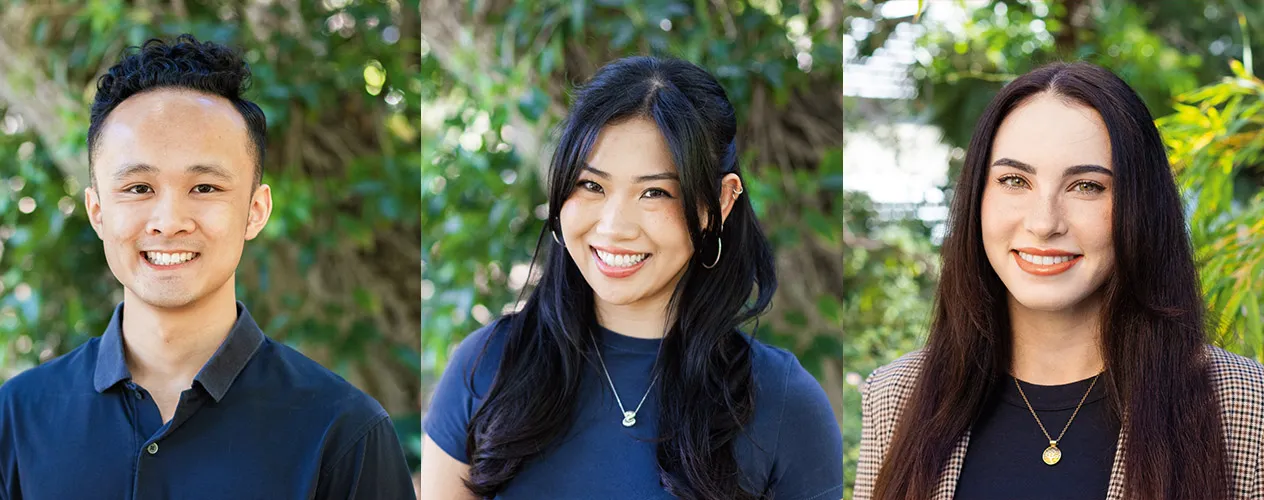
Expanding Environmental Horizons
Aiden Chal
MPH Student, Environmental Health Sciences
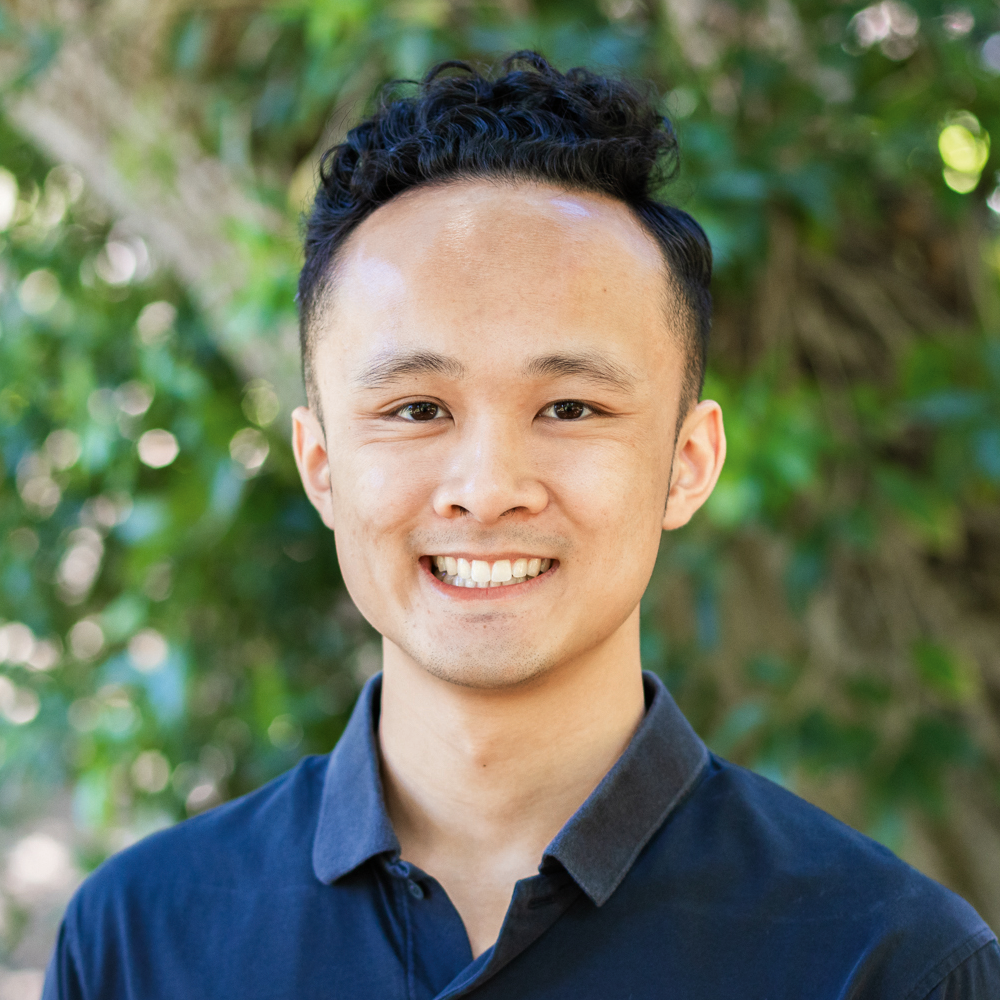 Before enrolling at UCLA Fielding, I had no idea how encompassing environmental health sciences was. My background was in sustainable transportation and electric vehicles. At FSPH, I hoped to learn more about the health effects of greenhouse gases and tailpipe emissions, and leverage that in my career. I have learned about that, but also so much more. My expansive education taught me about air pollution, water pollution, climate change and health, and even industrial hygiene practices.
When it was time to fulfill my applied experience practice requirement, I pivoted from sustainable transportation to an environmental health and safety role, landing a position at Takeda Pharmaceuticals. There, I applied my newfound academic knowledge to industry practices. Each day of my internship was different, working on projects with implications for the health of both people and the environment. The experience led to internships in my second year at Cosm Los Angeles and Aramark/Yosemite Hospitality.
I leave with an appreciation for the expansive nature of environmental health sciences: not only its applications, but also the many sectors that need our skills. I look forward to applying my FSPH education in my new position on the Environmental Health and Safety team at Walt Disney Imagineering.
Protecting Those Who Protect Us
Sunny Liu
PhD Student, Environmental Health Sciences
 Environmental hazards are not limited to polluted air or contaminated water. They are also present in the workplaces where people spend much of their lives. Occupational exposures can shape health in ways that are often invisible, cumulative, and difficult for workers to avoid. Many individuals do not have the ability to choose their working conditions, yet those conditions can profoundly influence long-term health.
My interest in occupational health grew from both my academic training in epidemiology and environmental health sciences, and my experience working in emergency medical services. As a paramedic and EMT, I have witnessed the physical and psychological demands placed on emergency responders. Firefighters and EMS providers often work extended shifts, experience disrupted sleep, encounter hazardous environments, and respond to high-stress situations. These exposures are widely accepted as part of the job, yet their long-term health consequences remain understudied.
Occupational settings provide an important opportunity to understand how repeated exposures influence health over time. Emergency responders operate in environments characterized by overlapping hazards — including chemical exposures, demanding organizational conditions, physical strain, sleep disruption, and chronic stress. My research with Dr. Jian Li aims to identify patterns of risk and generate evidence that can inform safer workplace practices and policies, helping ensure that those who protect our communities are protected themselves.
Approaching Exposures Proactively
Emma Landskroner, MPH
PhD Candidate, Environmental Health Sciences
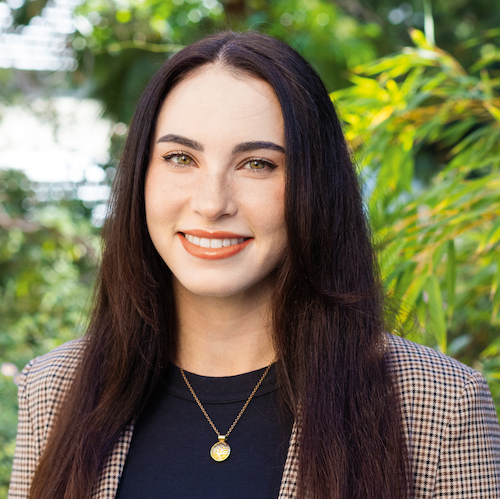 My path to public health has been a personal one. Watching someone I love suffer from cancer, paired with my work in clinical research, showed me how our health system functions in a perpetual state of response — acting only after disease has taken hold rather than preventing it in the first place. Public health is different; it is proactive and addresses the root causes of disease. That conviction led me to occupational and environmental health.
At UCLA Fielding, I work under Dr. Candace Tsai to characterize pollutants, using in vitro and in vivo exposure models. These include emerging chemicals used in the commercial laundry and dry-cleaning industries, hair products that still contain formaldehyde, and urban interface wildfire nano-ash. With my background in biology and training in industrial hygiene, exposure science, and toxicology, combined with chances to link research to actual public health practice and community involvement, I have sampled and assessed various exposures to better understand their potential role in carcinogenesis and other chronic disease pathways. Ultimately, I aim to promote a proactive approach to evaluating chemicals and particulates, along with risk prevention. I want to ensure that safeguarding worker and community health becomes the standard, not the exception.