Student Perspectives: Department of Epidemiology
Using Data to Understand Diseases and Influence Policy
Emily Richards
MS Student, Epidemiology
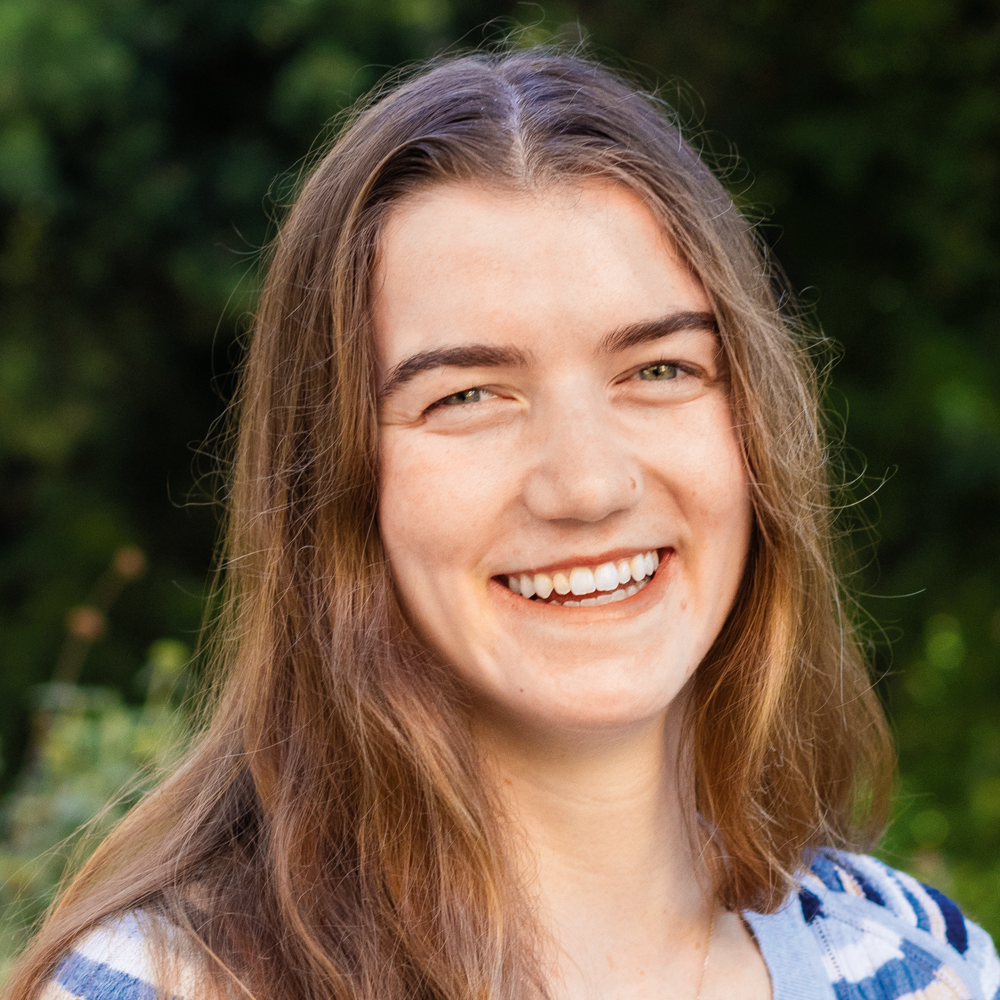 Working in a laboratory setting with the infectious neurodegenerative prion diseases during my undergraduate education led me to develop a fascination for diseases and their outcomes, as well as an appreciation for the power of data in guiding our understanding of diseases and influencing public policy. Epidemiology brings together my innate curiosity of biological processes, enjoyment of thinking through and solving puzzles, and desire to have genuine, observable impacts on the health and well-being of communities around me. As I develop my master’s thesis project, I am particularly drawn to questions that have clinical applications, such as improvement of screening tests and better understanding of the genetic and molecular factors driving diseases.
I am incredibly grateful for the rigorous training and small class sizes at UCLA Fielding that permit plenty of room for curiosity, as well as the approachability of the faculty. After my master’s, I plan to work for a few years and gain applied epidemiology experience before pursuing further education. I am excited to see where the future takes me and know that regardless, UCLA Fielding is setting me up with the skills to analyze, interpret, communicate, and advocate for better health outcomes.
Pursuing Education to Promote LGBTQ+ Health
Eun Kwak
MPH Student, Epidemiology
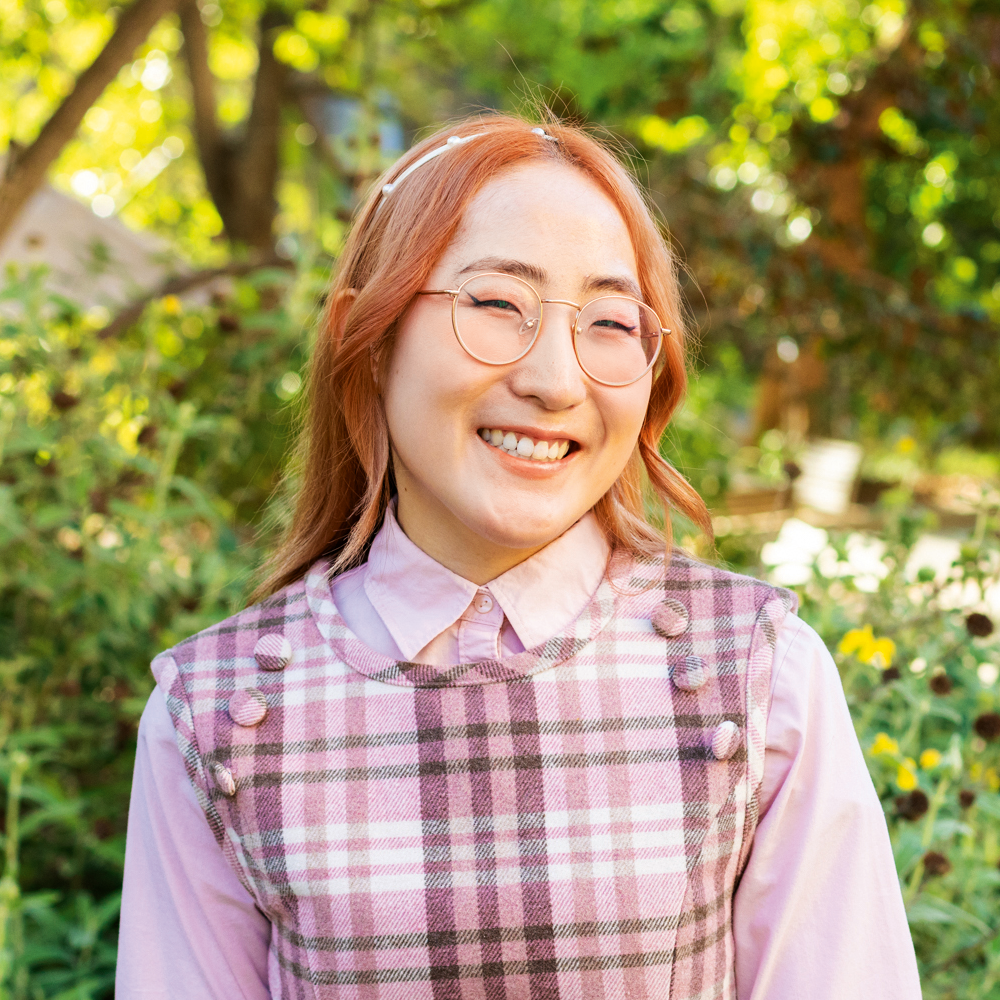 I’ve always known I wanted to work with the LGBTQ+ community, but it wasn’t until I started working at the UCLA Center for LGBTQ+ Advocacy, Research & Health (C-LARAH) five years ago that I understood the scope of work and research that it was possible to do in this field. I currently manage multiple research projects covering HIV prevention, PrEP uptake and adherence support, and stimulant use reduction; through these, I have seen how public health research can have direct, positive impacts on individual community members, as well as influencing long-term, policylevel change to promote population health. I want to work with LGBTQ+ communities to support everyone in living their healthiest and most fulfilled lives. I especially want to emphasize how important it is to protect the rights of the transgender community and access to gender-affirming care, particularly now.
After four years of working at C-LARAH, I wanted to pursue my MPH to gain a greater understanding of epidemiological research methods and grow as a research professional. I’ve learned so much already in my first year. My FSPH education has left me inspired, excited, and empowered to pursue my own research projects in the future.
Building Causal Evidence for Population Health
Matthew Coates
PhD Candidate, Epidemiology
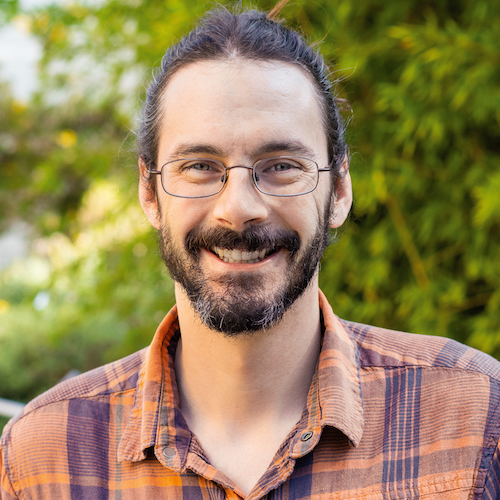 I have always known that I wanted to pursue a career that addressed social or health inequities, perhaps because of my parents’ careers in social work, education, and public health. Prior to beginning a PhD in Epidemiology at UCLA, I worked in global health research for eight years. Part of my work involved modeling the costs and population health impacts that could result from increasing the coverage of interventions to manage severe, chronic noncommunicable diseases in countries with low-resourced health systems. Through this work, I developed an interest in learning causal inference and epidemiologic methods to make my research more rigorous.
This interest in causal inference led me to Dr. Onyebuchi Arah and the epidemiology department at the UCLA Fielding School of Public Health, which has a strong emphasis on causal inference and epidemiologic methods. During my doctoral training, with support from Dr. Zuo-Feng Zhang and the Cancer Epidemiology Training Program, my research has applied causal inference methods to cancer, vaccine, and perinatal epidemiology. After my PhD, I hope to continue research in these areas in an academic career, using and building on existing causal inference frameworks and methods to bolster evidence for decision making in ways that improve population health equity.