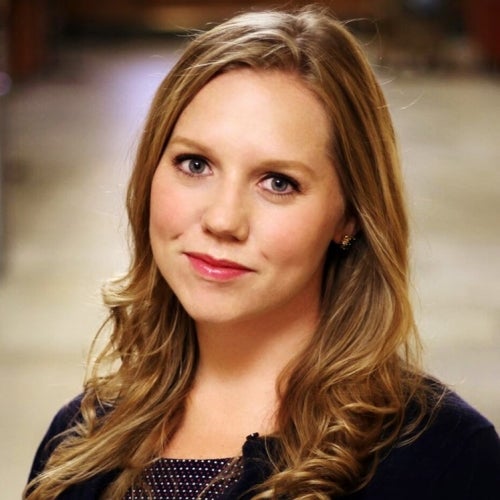
UCLA Fielding School of Public Health graduate student Angela Savelli recognized for work on diabetes capstone project
UCLA Fielding School of Public Health graduate student Angela Savelli has been recognized for her work on a diabetes capstone project.
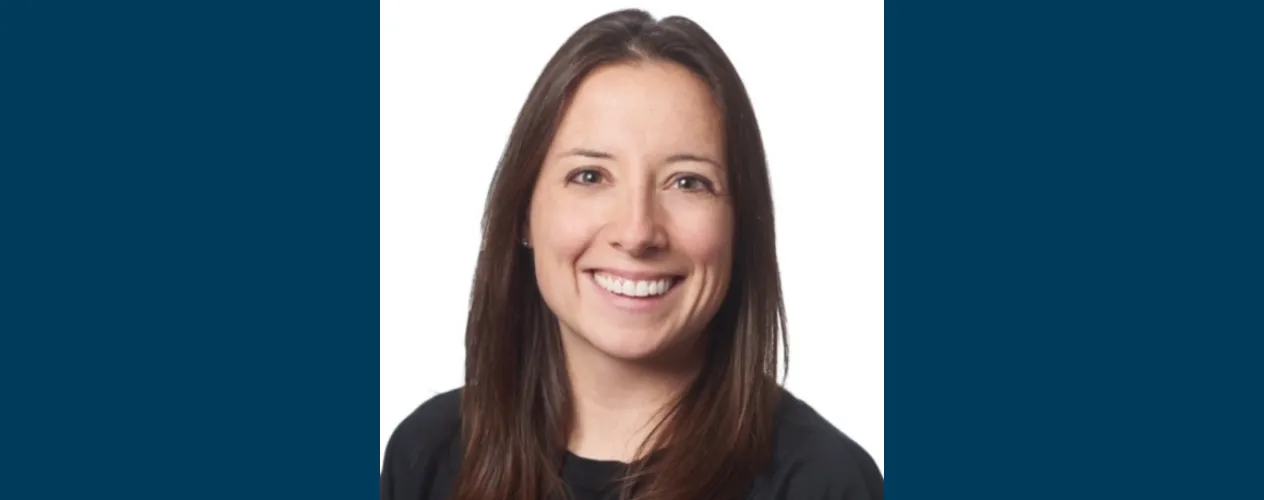
Angela Savelli is a student in the Master of Healthcare Administration (MHA) program at the UCLA Fielding School. The MHA program is led by Dr. Laura Erskine, professor in the Department of Health Policy and Management (HPM), and is administered by the Office of the Executive Programs in HPM.
Savelli spoke with UCLA Fielding's Gigi Hooghkirk about her background and experience in the MHA program, including her work on a health equity measure, focused on diabetes care, that is the subject of her capstone project.
Q: Would you be willing to provide a quote about your project and your experience on the capstone?
Savelli: Completion of the capstone project truly gives the MHA graduate student the opportunity to apply the skills and knowledge obtained throughout this program to real healthcare challenges that are occurring today. It offers the student a unique opportunity to start contributing meaningful change to a healthcare organization and can be a great avenue to gain experience in a sector of healthcare that may be new, or in an area of passion. This is an invaluable opportunity and I am grateful for the support and guidance the program has provided throughout the process.
Q: Without revealing anything confidential, can you give us an overview of your capstone project?
Savelli: I completed a gap analysis on my local organization’s cohort of Hispanic/Latino members who are not currently meeting our diabetes focused health equity measure. Achieving diabetic control in the Hispanic/Latino community is a multifaceted challenge many organizations face that is complicated by many intersecting barriers. By completing a targeted examination of why our cohort of Hispanic/Latino members were not achieving control, we were able to identify why current strategies to address this have failed to make more measured change and what we need to do in the future to make a greater impact in achieving health equity in the space of diabetic control in this community.
Q: What is a key takeaway you have about the experience?
Savelli: Always challenge assumptions, and don’t be afraid to ask why. All too often in healthcare, especially in management roles, we can be influenced to follow past practices, not push boundaries, and seek data that is the easiest to gather even if it doesn’t truly inform the problem you’re trying to solve. Taking the extra steps to understand the problem you’re trying to solve will cost you in front end work, but will pay off dividends on the backend.
Q: Any advice for MHA students who will be working on their capstone?
Savelli: Your work on your capstone should really start long before you have your first synapse for your capstone project. It’s in your best interest to meet with Dr. Erskine a term or two before you do your capstone to have a clear direction on what you want to do and to start your project. Think of the 10 weeks of the term when you complete the project as when you’re consolidating the information and developing deliverables. This will let you run through many drafts and navigate any hurdles you may face, because likely you’ll encounter them! Lastly, if you’re planning on using data in your capstone that will inevitably need to leave your organization, do your due diligence to understand what steps need to be taken for that to occur way ahead of time. Many large organizations have compliance guidelines around this and you’ll want to have a clear understanding of what those are.
Q: Anything else you’d like to share?
Savelli: I just want to extend my gratitude to Dr. Erskine for her support throughout this process. Guiding students with various levels of experience in healthcare administration through a variety of different projects at the same time is no small task, especially while juggling all of her other responsibilities. She was clear about the expectations and provided timely and constructive feedback throughout.