UCLA Fielding School of Public Health graduate student Hadeel Ali awarded scholarship
Hadeel Ali, a student in the MHA executive program at UCLA Fielding, has been awarded the Spring, 2026 New Student Scholarship.
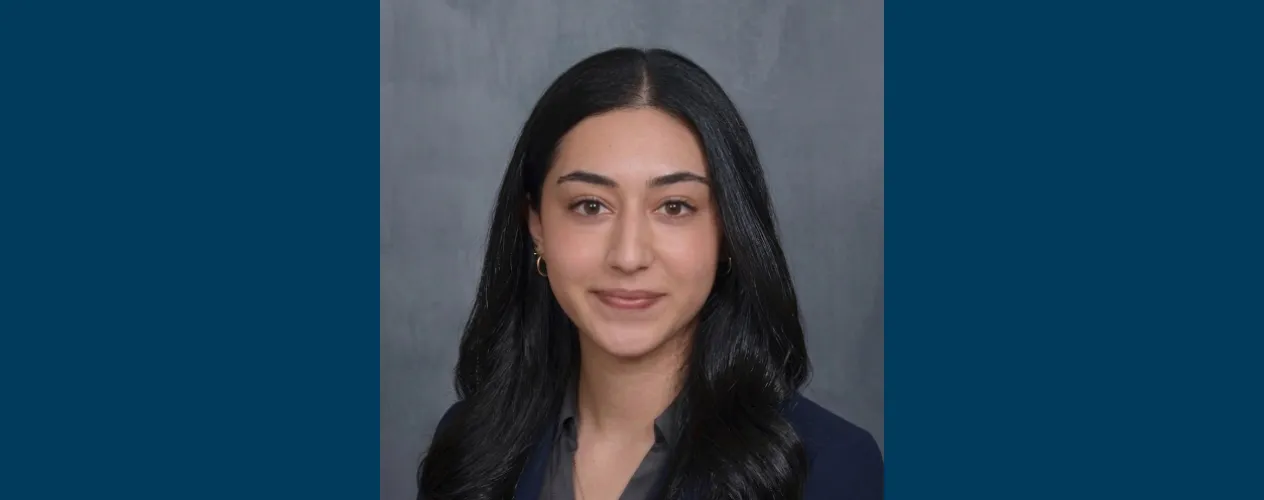
Hadeel Ali, a student in the Master of Healthcare Administration (MHA) executive program at the UCLA Fielding School of Public Health, has been awarded the Spring, 2026 New Student Scholarship. The MHA program is led by Dr. Laura Erskine, professor in the Department of Health Policy and Management (HPM), and is administered by the Office of the Executive Programs in HPM.
Ali spoke with UCLA Fielding's Gigi Hooghkirk about her background and experience in the MHA program.
Q: Your journey at Scripps Mercy Hospital Chula Vista has come full circle—from volunteering there as a high school student to now coordinating healthcare pipeline programs. How has your experience shaped your approach to mentorship and leadership?
Ali: When I applied to UCLA’s MHA program, I shared that I never imagined I would one day lead the very program that first shaped my path as a student. I began as a high school volunteer and continued my involvement through college. What started as a simple opportunity evolved into a public health internship and ultimately led to my current role as a program coordinator at Scripps Mercy Hospital Chula Vista, specifically within the Well-Being Center, where I now oversee pipeline programs that support South Bay San Diego high school students in pursuing careers in healthcare.
Today, I have the privilege of leading the same program that once inspired me. I still remember how meaningful it was to have professionals invest in my growth through their mentorship and support, and that experience continues to guide how I lead. Having once been a student in this position, I approach my work with intention, empathy, and a strong sense of responsibility to support students not only during the program, but beyond it. I also prioritize continuously expanding and improving these programs to better meet students’ needs based on the feedback I receive. I understand how overwhelming and intimidating it can be to enter a professional setting at a young age, especially in healthcare, and I am committed to supporting students through that experience.
As the first in my family to pursue higher education, I understand the importance of access, mentorship, and a sense of belonging. I strive to lead programs that are not only informative, but also supportive and empowering, particularly for students from underserved communities. My leadership is grounded in empathy, connection, and responsiveness to community needs, with the goal of creating opportunities that can truly change a student’s trajectory, just as mine was once transformed.
Q: You’ve noted that workforce disparities are a major challenge in underserved communities. Which specific areas of the MHA curriculum are you most excited to leverage to expand opportunities for students from Title I schools?
Ali: Given my current work, I am especially excited about the MHA courses, as they directly align with the programs I lead. These areas will strengthen my ability to expand pipeline initiatives, evaluate their impact, and ensure they are effectively supporting students from underserved schools in accessing healthcare career opportunities. What drew me to this program is its focus on individuals committed to giving back to their communities, along with the opportunity to engage in person with peers during the immersion sessions.
What I value most about UCLA’s MHA program is its flexibility, which allows me to continue in my current role while immediately applying what I learn in real time. Being able to remain embedded in the community while developing skills in strategy, operations, and leadership will help me further strengthen and expand programs that directly benefit underserved students in South Bay San Diego by providing accessible, hands-on opportunities they may not have otherwise experienced. This is especially important to me, as I hope to continue working with this community even after obtaining my master’s degree.
Q: As the first in your family to pursue graduate education, what does receiving this $10,000 scholarship and the support of the UCLA Fielding School of Public Health community mean to you as you begin your Spring Quarter?
Ali: Receiving this scholarship is incredibly meaningful to me, both personally and professionally. As the first in my family to pursue graduate education, it represents not only a major milestone, but also a reflection of the support and sacrifices that have made this journey possible. It eases the financial burden and allows me to focus more fully on the MHA coursework and the work I am passionate about.
Equally important is the support from the UCLA Fielding School of Public Health community. Being part of a network that is committed to health equity and community impact reassures me that I am in the right place. As I begin the Spring Quarter, I feel both motivated and supported to continue growing as a leader and to bring those skills back to the communities I serve.