UCLA Fielding's Dr. Jesus Araujo leads team researching how air pollution alters the gut and harms the heart
Research into gut and heart health led by UCLA Fielding's Dr. Jesus Araujo, associate professor in the Department of Environmental Health Sciences.
It’s widely known that inhaling ultrafine air particles - some of the most dangerous air pollutants - can harm both lung and heart health.
New research in mice, led by UCLA Fielding's Dr. Jesus Araujo, a physician and associate professor in the Department of Environmental Health Sciences, shows that these tiny particles can also significantly change gut bacteria in ways that may worsen atherosclerosis and increase metabolic stress.
“This study shows that breathing ultrafine air pollution doesn’t just damage the heart and lungs - it disrupts the gut microbiome, triggers liver stress, and speeds up atherosclerosis,” said Araujo, who also serves as director of environmental cardiology at the David Geffen School of Medicine at UCLA and is lead author of the study. "The findings make it clear that the gut is a critical pathway through which air pollution may exacerbate cardiovascular disease.”
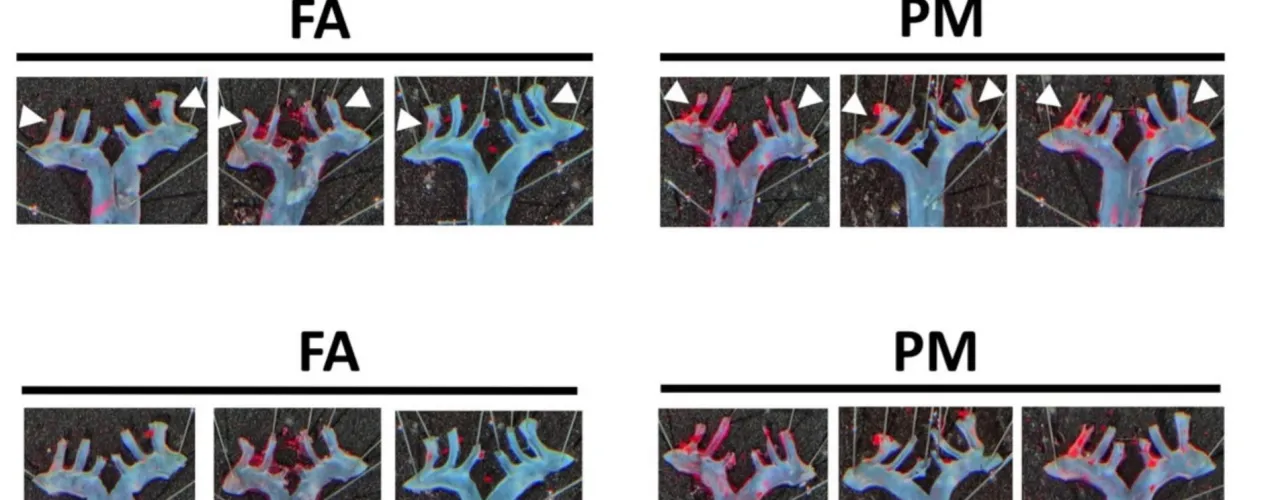
In the study, published in the journal Environmental International, mice were exposed to either ultrafine particulate matter (PM) or to clean, filtered air for 10 weeks, six hours a day, three days a week.
The mice that inhaled ultrafine PM experienced significant shifts in their gut microbiome, and these changes were strongly linked to greater atherosclerotic plaque buildup in major arteries.
This was evidenced through higher levels of short-chain fatty acids, found in fecal matter, increased liver malondialdehyde, a marker of oxidative stress, and upregulation of liver antioxidant and endoplasmic reticulum (ER) stress genes, which indicate cellular stress.