Our Future Under Fire
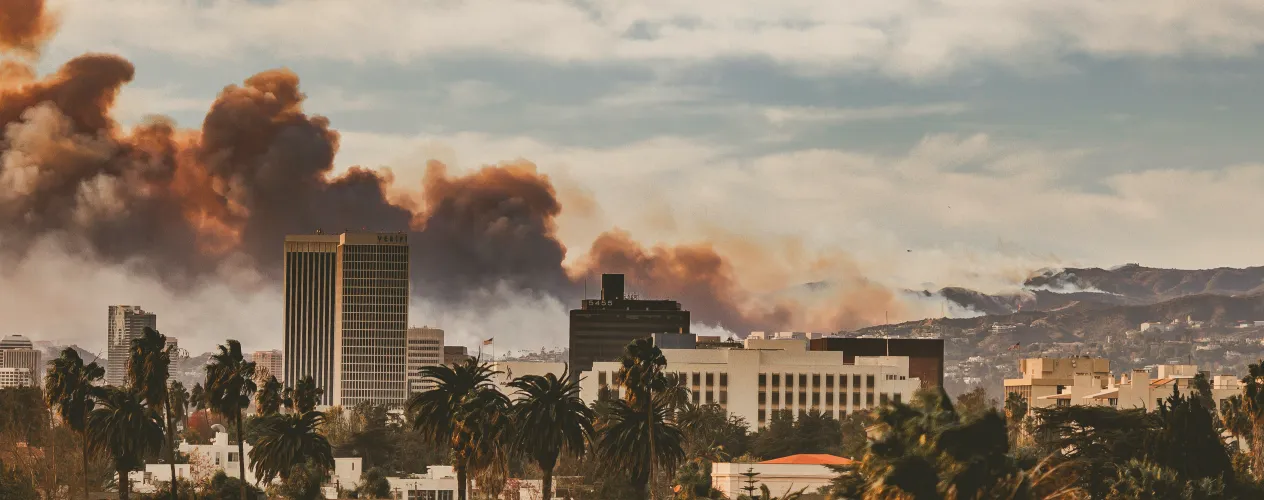
After rallying to assist affected communities following the 2025 L.A. County wildfires, UCLA Fielding is leading the effort to better understand and reduce health risks associated with the inevitable climate-related disasters that loom ahead.
In the final days of one of the most destructive natural disasters in California history, the director of the UCLA Fielding School of Public Health’s Center for Public Health & Disasters assessed both the immediate impact and the long-term ramifications.
"This is our Hurricane Katrina — an epochal disaster that’s changing Los Angeles," Dr. David Eisenman, FSPH professor of community health sciences, said at an FSPH-hosted event on the fallout from the fires. "The fire transformed everything: our air, soil, landscapes, and institutions."
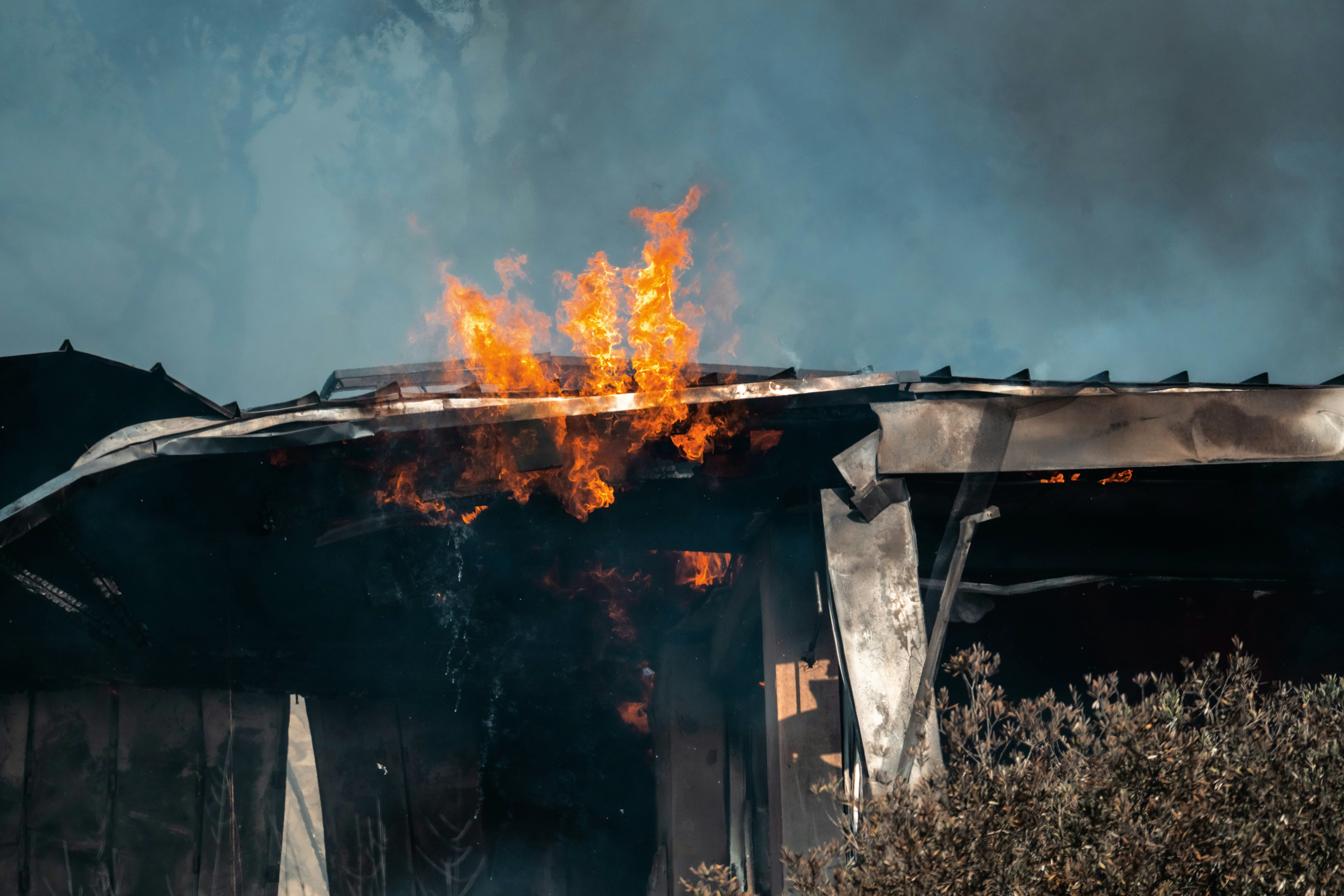
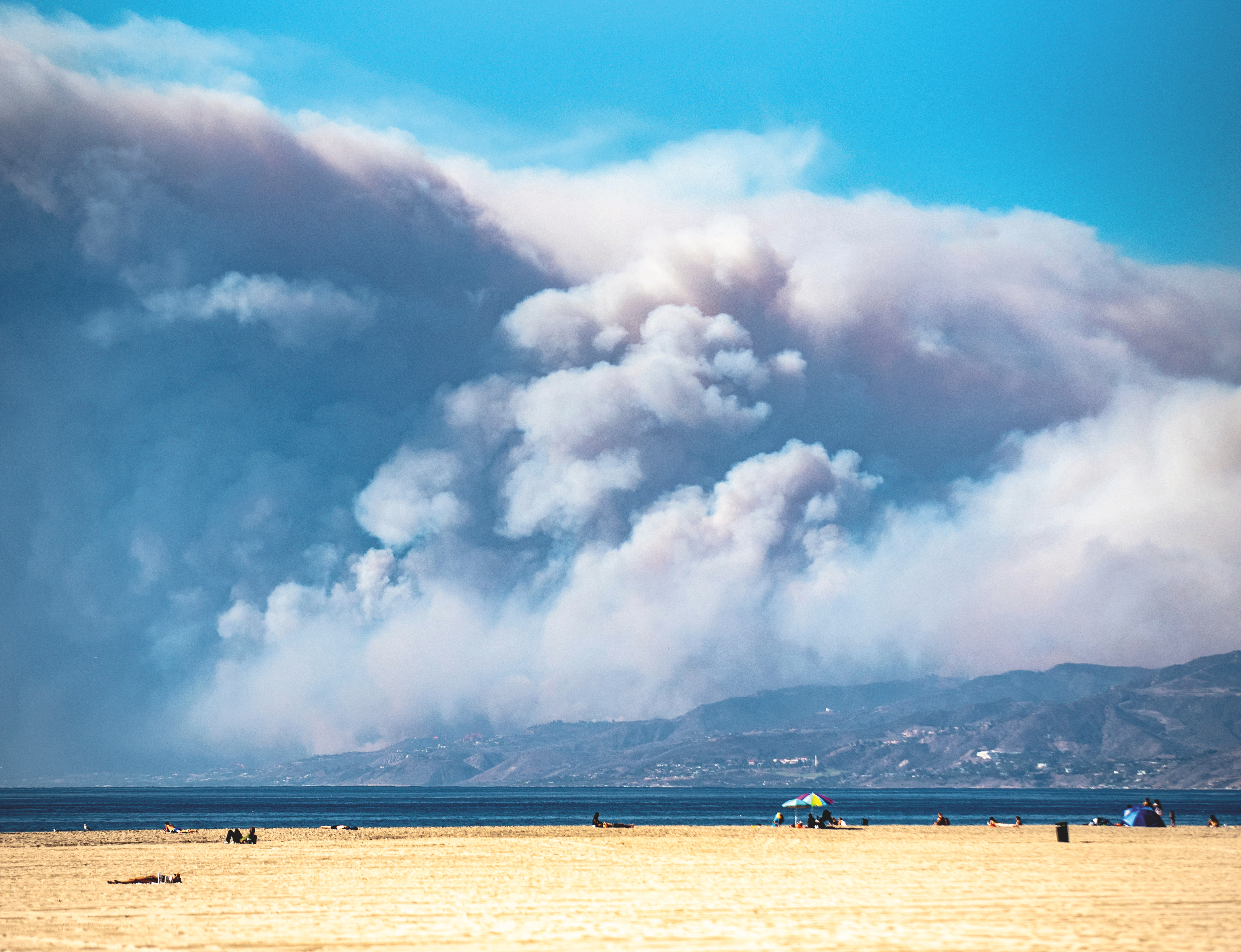
For more than three weeks during a month not typically associated with heat, wildfires ravaged Los Angeles County, fueled by conditions of drought, low humidity, a buildup of vegetation, and wind gusts reaching 80 to 100 mph. Starting on Jan. 7, 2025, more than a dozen wildfires burned through the region, the most destructive being the Eaton Fire in the Altadena-Pasadena communities in the foothills of the San Gabriel Mountains; and the Palisades Fire in western Los Angeles, adjacent to the Santa Monica Mountains. By the time the blazes were fully contained on Jan. 31, they had claimed at least 31 lives, burned more than 37,000 acres, damaged or destroyed more than 18,000 homes and structures, and forced more than 200,000 people to evacuate.
But Eisenman, who also serves as co-director of FSPH’s UCLA Center for Healthy Climate Solutions (C-Solutions) and is a professor in the UCLA David Geffen School of Medicine, points out that the L.A. wildfires should by no means be seen as an isolated event. Indeed, as climate change and the shifting physical environment continue to make fire, heat, and other weather-related disasters more common across the country and around the world, the public health response to Los Angeles, along with the preparation for future natural disasters, carry lessons that can be applied almost anywhere.
Beginning in the first hours of the L.A. County wildfires, UCLA Fielding faculty, staff, and students fanned out across the region, rallying to respond — from supporting those displaced by the wildfires and assisting in the recovery effort, to conducting pivotal research assessing the health effects of the fires and addressing the most urgent questions in anticipation of future events. As was the case during the COVID-19 pandemic, FSPH expertise was in heavy demand from the affected communities and the news media, and faculty maintained a visible presence. “Many of us are more used to commenting on a paper we publish in a peer-reviewed journal well after the completion of a study,” notes Dr. Yifang Zhu, FSPH professor of environmental health sciences and an air quality expert. “But communities need information in an unfolding disaster, so it’s important to provide the best guidance possible even before the research is complete.”
Before the flames had been fully extinguished, UCLA Fielding researchers joined with investigators from multiple institutions on an unprecedented collective scientific effort to understand the short- and long-term health effects. The Los Angeles Fire Human Exposure and Long-Term Health Study (L.A. Fire HEALTH Study), a 10-year initiative supported by the Spiegel Family Fund and other foundations, is being conducted by a consortium led by UCLA Fielding and the Harvard T.H. Chan School of Public Health, featuring experts in environmental exposure assessment, atmospheric chemistry, health outcomes, wildfire risk assessment and management, and data science. The study’s principal investigator is Dr. Kari Nadeau, who was appointed FSPH dean, effective July 1 (see page 50).
 Leaders of the L.A. Fire HEALTH Study note that the impacts of the fires extend far beyond the burned areas. Their research aims to evaluate which pollutants were present, at what levels, and where; how that changed over time; and the respiratory, neurological, cardiovascular, reproductive, metabolic, immune system, and mental health impacts of the wildfires. A key goal is to share evidence-based, rapid answers with the affected communities, as well as with civilians, firefighters, businesses, researchers, and government agencies. Among the significant early results already generated by L.A. Fire HEALTH: a 2025 study, led by Nadeau and published in Nature Medicine, which found that after individuals are exposed to wildfire smoke — especially firefighters — their immune cells are damaged. Moreover, Nadeau and her laboratory found that for firefighters who battled the Eaton and Palisades blazes, the levels of lead and mercury in their blood were five and three times higher, respectively, than the lead and mercury levels of colleagues who had fought earlier forest fires in less-populated areas in Northern California.
"This fire was quite unique in the sense that we had an enormous amount of human infrastructure burned, and that has led to a myriad of toxic effects that we haven’t seen in a large urban area before," says Dr. Michael Jerrett, FSPH professor of environmental health sciences, the Jonathan Fielding Chair in Climate Change and Public Health, and co-director of C-Solutions, who co-leads UCLA Fielding’s contingent on the L.A. Fire HEALTH consortium, along with Nadeau, Eisenman, and Harvard’s Dr. Joseph Allen. "Our estimates are that about 9.5 million people were exposed to heavy smoke and another 11 million experienced moderate smoke exposure, so this has the potential to generate substantial health effects."
"The L.A. Fire HEALTH Study offers a significant opportunity to conduct the most comprehensive research to date on the effects of wildfires on human health," says Dr. Jonathan Fielding, FSPH distinguished professor of health policy and management and a founder and co-director of C-Solutions. "In addition, our collaboration can establish protocols for communicating actionable messages to residents. The UCLA Center for Healthy Climate Solutions and our partners look forward to coordinating these efforts. We need to be prepared, because with the ever-increasing threat of climate change, more wildfires are a certainty."
The work of UCLA Fielding faculty, staff, and students, both in response to the L.A. County wildfires and in anticipation of future disasters, has been all-encompassing. It has included efforts aimed at promoting the health and safety of firefighters and recovery workers; providing free post-fire soil testing and air quality monitoring to protect health in the hardest-hit communities; and addressing the mental health impacts in the fire’s aftermath. Between the L.A. Fire HEALTH Study initiative and other projects, it has included some two dozen studies focusing on human health, air pollution, water pollution, and soil contamination. What follows is a sampling of these efforts.
Protecting Workers and First Responders
A UCLA Fielding team of experts trained, tested, performed medical evaluations, and distributed respirators with cartridges to more than 650 workers performing debris removal and smoke remediation at sites across Los Angeles County following the fires. The project, funded by the California Department of Public Health, trained workers — including many temporary workers, day laborers, and domestic workers — who otherwise had little or no experience dealing with the mix of potentially toxic debris left after a major wildfire. The FSPH team included faculty and staff from the UCLA Center for Occupational and Environmental Health (COEH) and Southern California Education and Research Center (SCERC).
The complex mix of particulate matter and volatile organic compounds released from burned structures and vehicles, unlike the mix released in a typical brushfire, represents a significant concern for the cleanup team. Debris removal, demolition, and construction stir up dust and other contaminants, creating further exposure risks for workers. The FSPH team held training and fit-testing sessions across the county, with a focus on communities where workers were being recruited for fire-related debris cleanup, smoke remediation, and reconstruction projects in disaster areas.
 "We were very concerned that there would be an influx of day laborers and other informally employed workers doing debris cleanup without being provided appropriate respiratory protection and associated training, either because their employers were not fulfilling their obligations or they were considered independent contractors," says Dr. Rachael Jones, professor and chair of FSPH’s Department of Environmental Health Sciences and director of both COEH and SCERC. Given the increasing number of wildfires that begin in open space and cross into urban areas, Jones and colleagues from UCLA and the Oakland, CA-based Public Health Institute were also funded by the California Legislature to study the attitudes of wildland firefighters toward wearing respiratory protection. "During the fires, we saw firefighters battling these flames with almost none of them wearing the protection that is standard in structural firefighting," Jones says. "One of the key things we found is that firefighters were not fundamentally opposed to the idea of respiratory protection in wildland settings. They are well aware of the health hazards and want protection, but have reasonable concerns about how respirators might impact the ability to perform their jobs safely."
Jones notes that firefighters want to be engaged in the development of improved respirators and in policies about how they will be used, so that they can be confident the devices will prevent exposure inhalation hazards without increasing other risks on the job. "Their questions are when to use it, how can you use it without decreasing the ability to perceive safety risks, and how can you use it without significantly increasing fatigue," she says. Separately, Jones and her colleagues sought feedback on how the respiratory designs could be modified to make them more usable, and have conducted testing on the performances of the cartridges against smoke in response to concerns expressed by the fire service.
Testing Residential Soil
A community-university partnership co-led by Dr. Kirsten Schwarz, FSPH associate professor of environmental health sciences, and including a group of UCLA Fielding students, supported the recovery through a series of pop-up events where residents in fire-impacted areas were invited to bring soil samples from their properties for free testing. More than 250 residents participated.
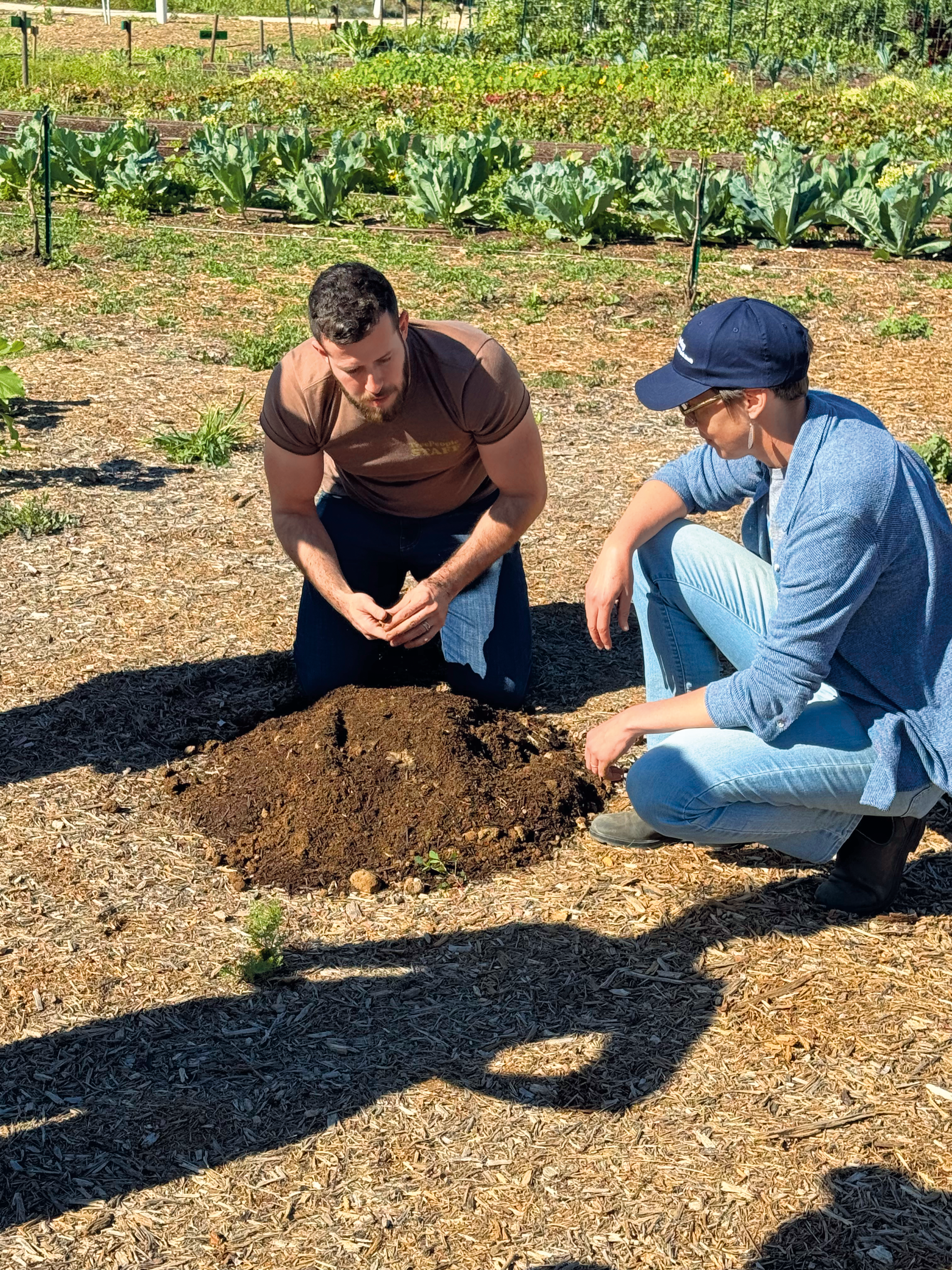 The LA Urban Soil Social Impact Collaborative, funded by the UCLA Center for Community Engagement, was established to advance equitable access to healthy soils in Los Angeles through community soil testing and education, clean soil resources and remediation, and policy change. The partnership includes UCLA faculty, staff, and students, as well as community-based, tribal, private, and academic partners across Los Angeles. "Everyone is invested in the fact that urban soils have a lot of benefits, but in Los Angeles they are compromised by pollution and there are ways we can work together to address that," says Schwarz, who co-leads the effort with Dr. Jennifer Jay, a professor in the UCLA Samueli Department of Civil and Environmental Engineering.
In the aftermath of the L.A. wildfires, the collaborative responded to a request from the Altadena community to conduct testing for residents concerned about the safety of their soil. At its events, the team screened samples using portable X-ray fluorescence analyzers to detect heavy metals. Of particular concern is lead, which at certain levels is a known cause of significant illness in children and other vulnerable populations. In addition to the testing, participants received personalized consultations on how to improve soil health and safety in their yards and gardens through strategies such as reducing dust, amending the soil, and creating a barrier between themselves and the contaminated soil.
"Soil screening is a necessary first step, but this needs to be addressed at the systems level," Schwarz says. "Fire-impacted communities are eager for actionable solutions, and soil amendments, like compost and mulch, are low-cost, accessible options that help us manage risk."
Monitoring Local Air Quality In Real Time
In a community-driven model for post-wildfire air quality monitoring, a UCLA Fielding team built a network of 20 strategically placed particulate matter sensors — powered by solar energy and connected via cellular network — across western Los Angeles County. 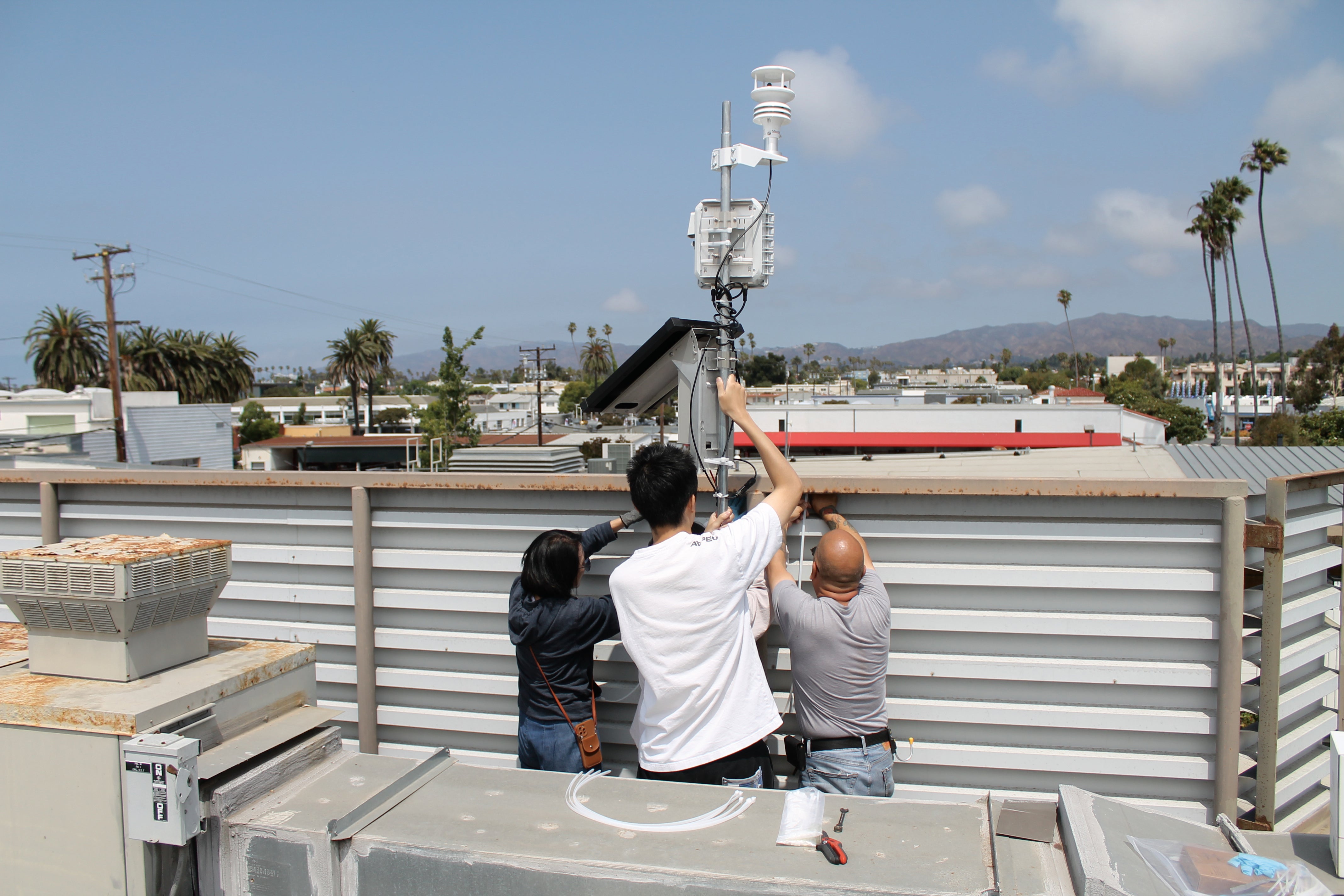 The effort, known as the Community Action Project Los Angeles Air, or CAP AIR, includes a user-friendly data dashboard to guide community action. Community and philanthropic partners have supported the project, which has provided residents in the vicinity of the Palisades fire with real-time information on air quality during the recovery period and beyond. The project’s online dashboard uses color-coded icons for air quality ranging from good (green) through hazardous (dark red) for a variety of potentially dangerous airborne particles.
"Our goal is to give residents access to real-time, local air quality data, help identify pollution hot spots, and inform public health responses," says Zhu, the FSPH professor of environmental health sciences who has led the project. "It has been very well received by the community. It reduces anxiety to know when the air is safe to breathe."
Addressing Mental Health
The efforts to rebuild after the L.A. wildfires in ways that address the mental health impacts and bolster resilience are characteristic of an emerging approach to disaster response that focuses on community building rather than merely fortifying individuals, notes Dr. Vickie Mays, FSPH professor of health policy and management.
"We’re moving toward a new disaster response model in which, rather than bringing in people, we train members of the community who have lived experience with the event to be disaster community managers," says Mays, a psychologist who was on the ground in New Orleans providing mental health support after Hurricane Katrina in 2005. "Their role is not only to provide psychological first aid, but also to help people with the cognitive burden during those times of decision making about housing and rebuilding so that affected residents can make these decisions without regret."
 Mays has served as a community partner with the DENA Forward Alliance, a collective of independent organizations helping families and businesses that were impacted by the Eaton fire to rebuild and thrive. She says wildfires create unique mental health disturbances based on the fact that they are more likely than other disasters to completely destroy homes and personal belongings, and because being forced to make a snap decision about evacuation and what to leave behind can result in regret. "Our thinking now is that the focus shouldn’t just be on building houses, but rebuilding communities, with the community having a strong voice in how that should occur," Mays says.
Assessing Indoor Exposures
While more attention is paid to outdoor air quality during and in the immediate aftermath of wildfires, a UCLA Fielding team of faculty, staff, and students found that well after the fires are out, residents who return to their homes may remain at risk of exposure to known carcinogens because of smoke damage. The team collected air samples both indoors and outdoors during the L.A. County wildfires, as well as during the periods when the blazes were partially and then fully contained. They found that the levels of volatile organic compounds (VOCs) were significantly higher in the postfire period than when the fire was active, and were particularly evident in uninhabited homes within the burn zones — suggesting ongoing indoor emissions from smoke-impacted materials.
"We learned that what happens during the fire vs. what happens after the fire is contained are very different," says Zhu, a co-author of the study. "During the active fire, the particle levels are very high, and the smoke is enriched by toxic metals from the things that are burning. Those levels come down quickly after the fire is contained. But the level of indoor VOCs stays high for weeks, which tells us that there are reservoirs inside people’s homes that can continue off-gassing these VOCs for some time."
Zhu and Jerrett’s research team happened to be gearing up to take air quality samples as part of another field study when the wildfires started, prompting the researchers to change course. The quick pivot allowed them to gain unique insights by measuring the air both inside and outside people’s homes during the fires’ active phase, before returning when the fires were approximately 50% contained, and again well after the fires were extinguished. The fact that smoke-impacted materials within the home could continue to release potentially harmful VOCs for a prolonged period highlights the importance of emphasizing mitigation measures that improve air ventilation and filtration. "These findings underscore the need for targeted interventions to minimize indoor exposures during the recovery phase," says Jerrett, the FSPH professor and C-Solutions co-director who co-authored the study. "They raise concerns about indoor air quality post-wildfire, and the potential for prolonged exposure leading to significant health impacts."
Zhu points out that because wildfires in urban areas such as the Palisades and Altadena burn so many structures, vehicles, and household products, the contents of the smoke is different from fires in open areas, and emissions can persist for weeks or months. A study with UC Davis’ Dr. Michael Kleeman that Jerrett and Zhu co-authored as part of the L.A. Fire HEALTH Study found elevated levels of hexavalent chromium and silver in air samples from the debris cleanup zones. Hexavalent chromium, or chromium-6, is a toxic metal and carcinogen that can impact the lungs and is associated with asthma, bronchitis, and lung cancer. While silver is generally safe, its nanoparticles can cause inflammation and cell damage, the study authors noted.
Moving Forward
With so many unanswered questions, Eisenman and Dr. Arash Naeim, UCLA Health’s chief medical officer for clinical research, established the UCLA Wildfire Impacted Communities Research Registry for any community members interested in participating in fire-related research. The first-of-its-kind wildfire registry has signed up approximately 5,000 volunteers — enough to successfully recruit for two studies, one on mental health and one on biological impacts. The registry will also be the basis for a nine-year cohort study looking at long-term effects.
"We will be having wildfires again in Los Angeles," says Eisenman. "We will be experiencing smoke, whether it’s from Los Angeles or neighboring areas. We really need to get ahead of this and learn how it’s affecting our health if we want protection in the future."
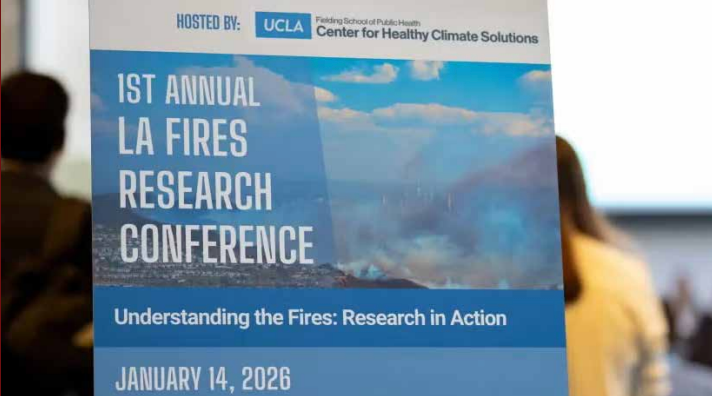
In January 2026, a year after the L.A. County wildfires, UCLA Fielding co-hosted the first annual LA Fires Research Conference, attended by some 270 people, which included scientific presentations and discussions among researchers, health professionals, community leaders, and policymakers about the best ways to move forward amid the growing reality of urban wildfires, and how to protect public health before, during, and long after these disasters.
 The researchers emphasized that, although wildland fires have been studied for decades, urban wildfires of the scale that occurred in L.A. County pose a fundamentally new challenge, given that an estimated 70% of emissions during these events come not from vegetation, but from human-made infrastructure. "There were toxins being created that we didn’t even anticipate — in the air, in the ash, in the soil, and in the water," Eisenman says. "We need to learn about the long-term health effects."
As climate change drives hotter, drier conditions and more extreme weather that makes these disasters more common, UCLA Fielding faculty, staff, and students are finding that their knowledge and skills are applicable in ways they hadn’t anticipated, Eisenman notes.
Zhu is a case in point: She has spent much of her career focused on studying industrial sources of air pollution, but that expertise became directly relevant to the urgent questions posed by indoor and outdoor pollution from the wildfires.
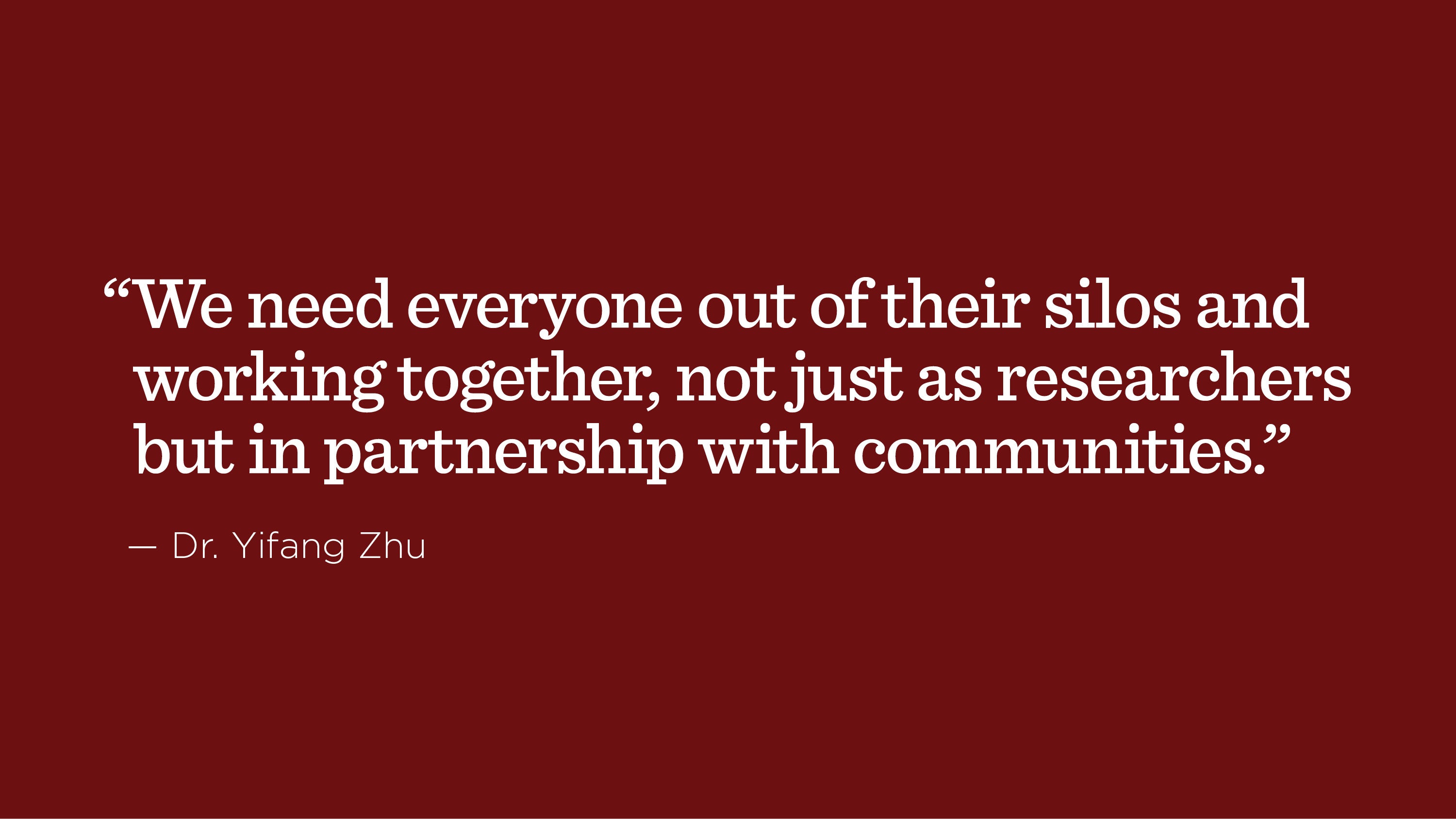
Zhu says getting ahead of the next disaster will require the type of team effort launched by the L.A. Fire HEALTH Study. "This is not just an air problem; it’s multi-environmental media," she says. "We have particles going from the sky into people’s homes, and depositing on the surface. We have dust and soil impacts, and gas into the water system. And all of those change over time. We have things that aren’t supposed to burn getting burned, creating compounds postfire that we didn’t know existed. We need everyone out of their silos and working together, not just as researchers but in partnership with communities. We know L.A. won’t be the last city to have this type of urban wildfire, and that this won’t be the last one in L.A."