Powering Progress
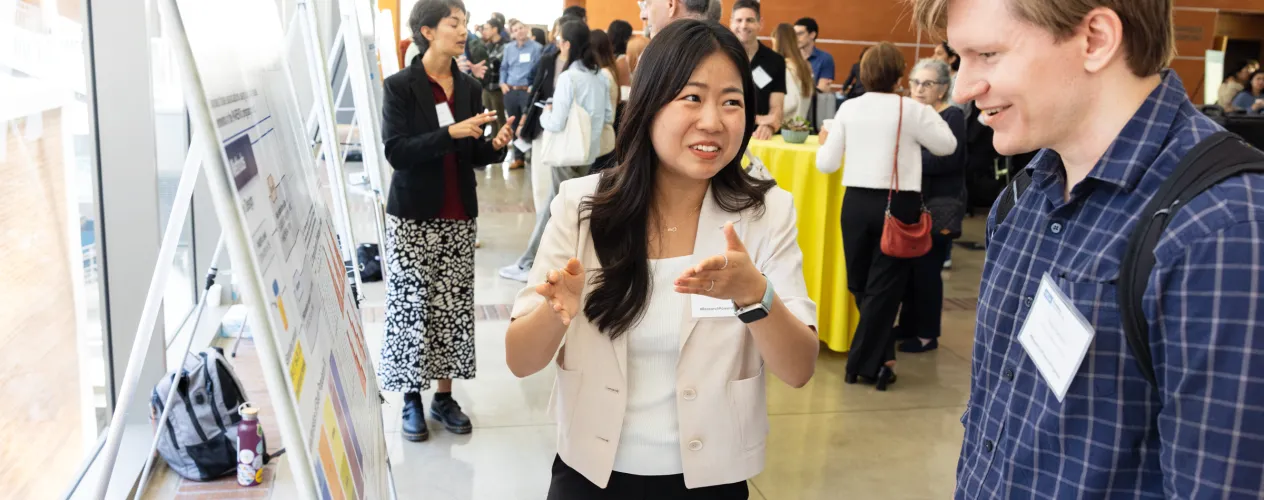
The UCLA Fielding community gathered in April for the 2026 Research, Innovation & Impact Day, an event that celebrated the vital role of public health research and practice during difficult times.
At a challenging moment for public health, the 2026 Research, Innovation & Impact Day on the UCLA campus April 24 made an unmistakable case for the value of UCLA Fielding School of Public Health research in powering progress toward healthier and more equitable communities.
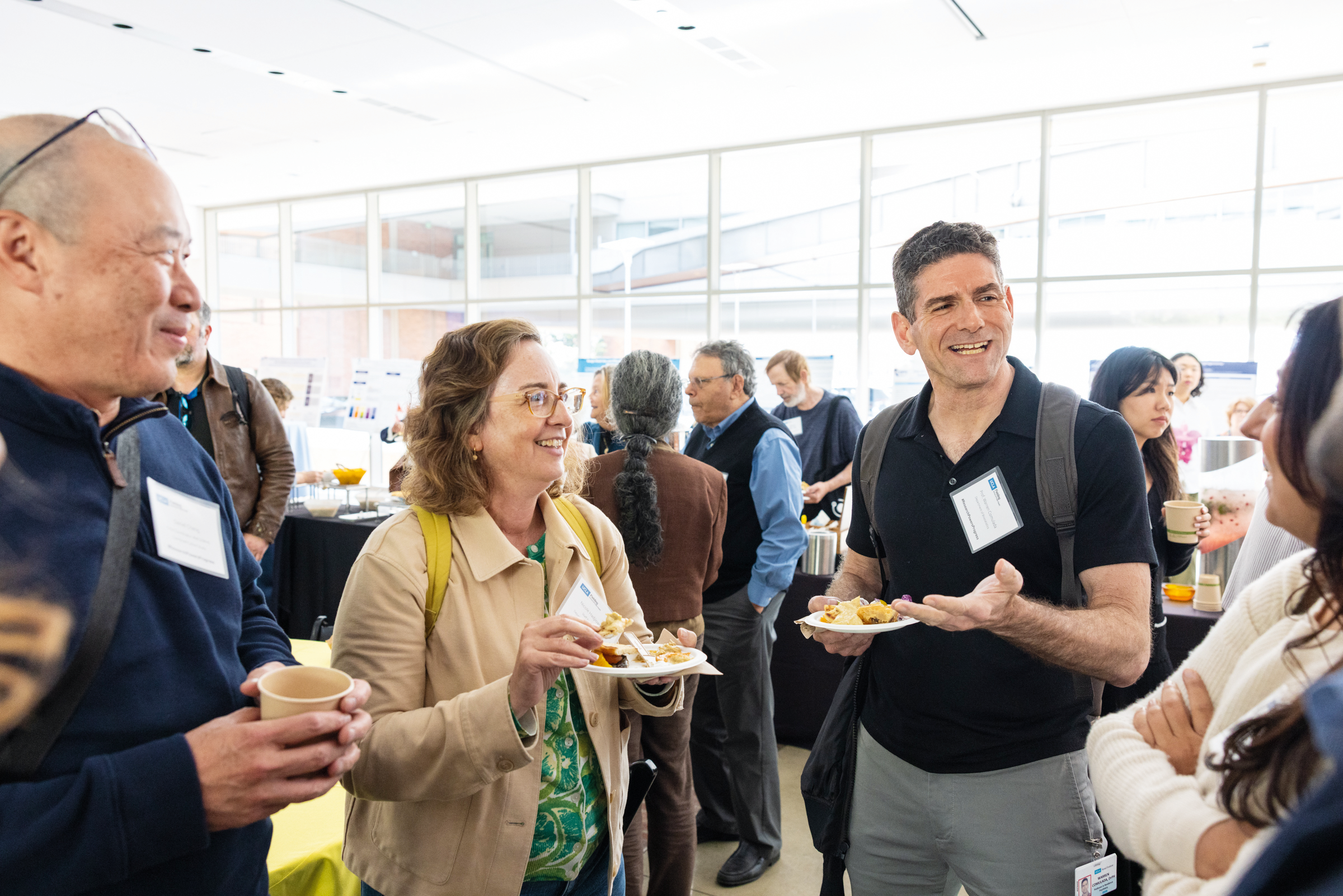
UCLA Fielding students, staff, faculty, and friends convened for a day of sharing research and practice successes and challenges, exchanging ideas, and establishing new connections. In addition to panel sessions on major public health topics, the event included a keynote address from Dr. Erica Pan, director and state public health officer for the California Department of Public Health (CDPH); a Student Impact Poster Showcase, highlighting work led by FSPH master’s and doctoral students; and dedicated time throughout the day for attendees to converse and network. This was the second such event, with the first having taken place in 2023.
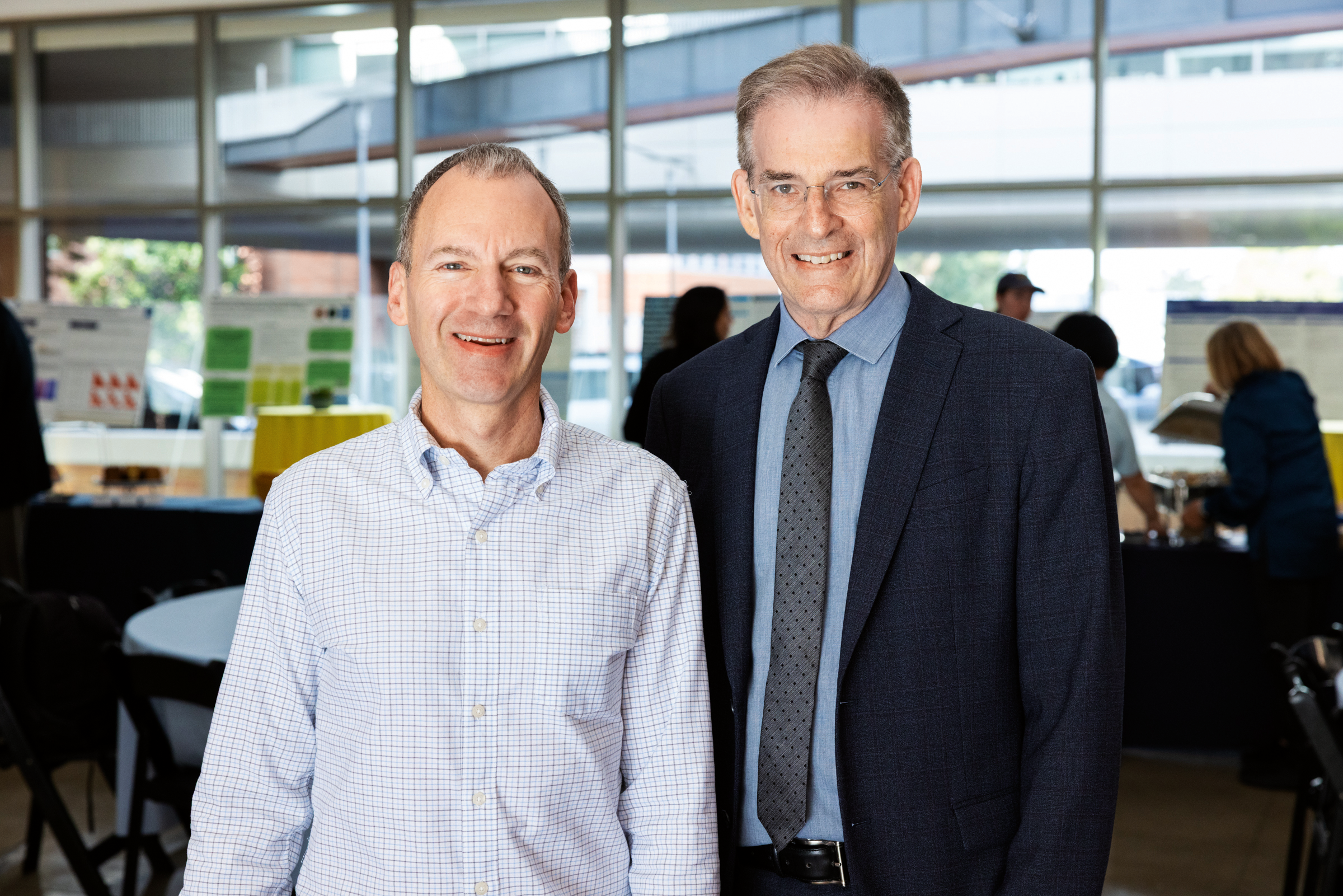
Research, Innovation & Impact Day serves multiple purposes, explains Dr. James Macinko, FSPH associate dean for research, who cohosted the 2026 event along with Dr. Ron Brookmeyer, the school’s dean. “This brings our community together to share ideas and spark new collaborations that strengthen public health research, while also providing a sense of connection and mutual support during a challenging funding environment,” Macinko says. “It gives students a valuable opportunity to observe and learn best practices in research and professional engagement, helping to shape the next generation of scholars. And it allows us to communicate more clearly with the public about how research dollars are used, while highlighting the real-world impact public health research has on improving lives and informing policy.”
Brookmeyer notes that while a major goal is to share the important work of the school’s faculty, staff, and students with the public, the event also helps to build camaraderie within the school. “So much of public health is about making connections and forging collaborations, and those seeds are planted by gatherings like this where everyone has the opportunity to learn more about the work their colleagues are leading,” Brookmeyer says. “We also have many new faculty, and this gives us a chance to feature some of them and introduce their exceptional research.”
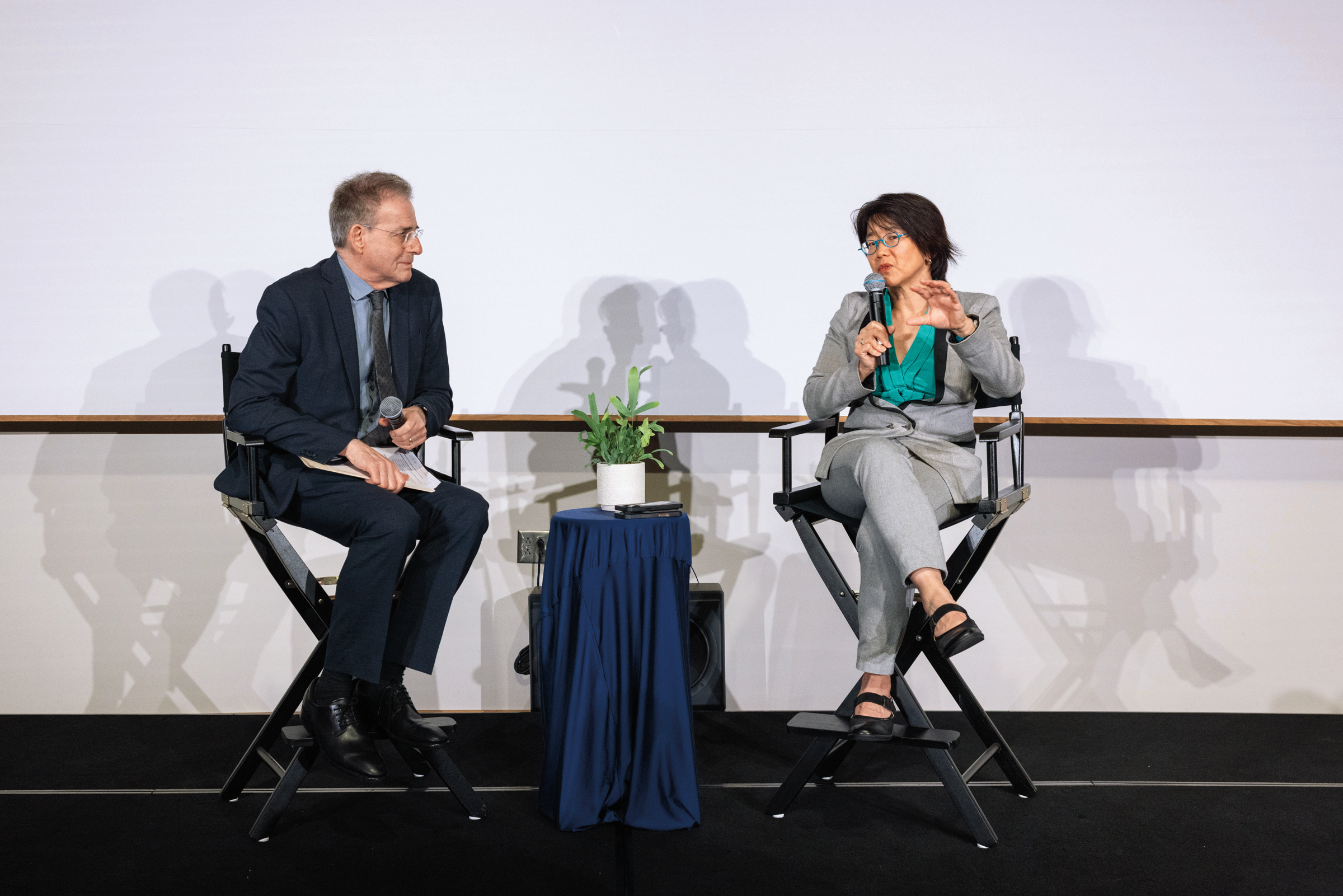
In her role as CDPH director and state public health officer, Pan has sought to empower communities and institutions to adopt a “health in all policies” approach that recognizes the importance of addressing the social determinants of health. Her keynote address touched on her professional journey and detailed the difficulties her department has confronted — from COVID-19 through more recent cuts in federal funding, public health workforce reductions, and the proliferation of information not supported by science. After outlining some of the steps CDPH has taken to meet these challenges, Pan closed by quoting Winston Churchill.
“He was known for saying, ‘A pessimist sees difficulty in every opportunity; an optimist sees the opportunity in every difficulty,’” said Pan, whose presentation was followed by a Q&A segment led by Brookmeyer. “We’re holding on to that, and how that mindset can shape your reality.”
The day included four multidisciplinary panels, each featuring a moderator and three panelists who gave short presentations and then jointly fielded questions from the audience.
For “Artificial Intelligence & Data Science Powering Public Health,” moderated by Dr. Philip Massey, associate professor and vice chair of community health sciences, the panelists included Dr. W. Scott Comulada, professor of health policy and management; Dr. Sijia Li, assistant professor of biostatistics; and Dr. Joann Elmore, professor of health policy and management. “In recent years, there’s been an incredible explosion of available data, and if utilized in a responsible manner, it can really advance public health,” Massey noted in introducing the topic. “Today, we’re going to explore with some experts how to utilize data to prevent certain public health crises, address problems, and improve population health.” The panelists agreed that for all its promise, AI isn’t without potential hazards. Elmore, who spoke of the potential for using artificial intelligence to address diagnostic challenges, opened her presentation with a note of caution for the attendees: “My goal is to help you build a healthy skepticism about AI.”
In introducing “Combating Chronic & Infectious Diseases,” Dr. Kristen Choi, associate professor of health policy and management and the panel’s moderator, noted that it was an ideal follow-up to the previous discussion on AI. “All of us can see that even though there are some concerns and pitfalls with AI, there’s also much promise of these tools improving public health and clinical care in ways that are really exciting,” Choi said.
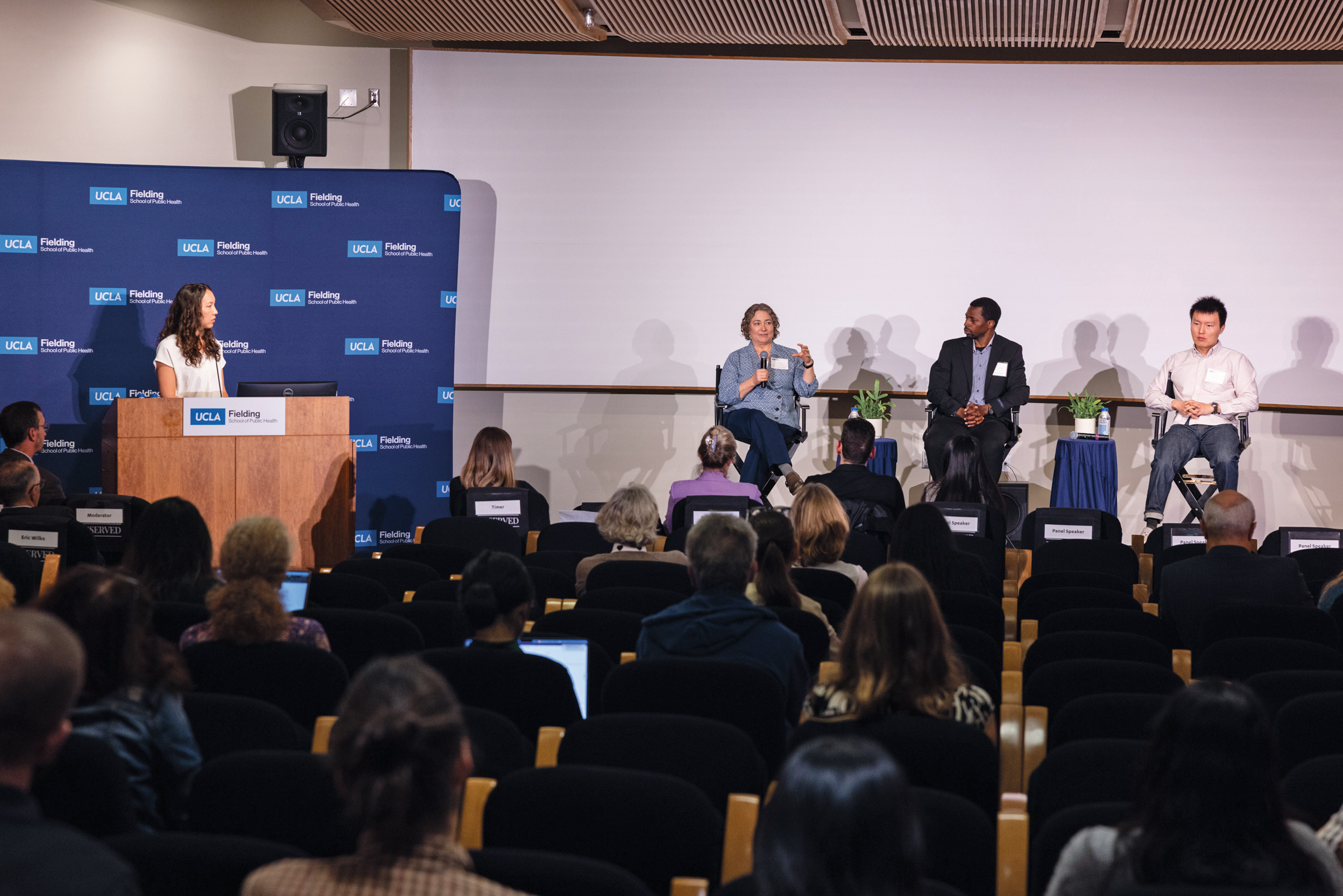
“But … we still haven’t solved disparities in cardiovascular disease, HIV, depression, or other chronic and infectious diseases that we know are impacting our communities.” The panel of experts featured Dr. Susan Babey, senior research scientist, director of research, and director of the Health Promotion and Disease Prevention Program for the FSPH-based UCLA Center for Health Policy Research; Dr. Roch Nianogo, assistant professor of epidemiology; and Dr. Jason Xu, associate professor of biostatistics.
The first afternoon panel, “Championing Health Equity,” was moderated by Dr. Beth Glenn, professor and vice chair of health policy and management. Introducing the session, Glenn noted that the panel brought together scholars whose work examines, from varying perspectives, how structural forces shape and produce inequalities and inequities in the population: Dr. Alison Gemmill, associate professor of epidemiology, is a perinatal epidemiologist and demographer who presented on her research into how social and policy contexts shape maternal and perinatal health;
Dr. Yoshira Ornelas Van Horne, assistant professor of environmental health sciences, spoke of her work as an exposure scientist seeking to advance health equity by developing strong community-driven research collaborations; and Dr. Whitney Pirtle, an associate professor of community health sciences, discussed her research looking at how, why, and to what end racism remains a public health crisis. The final panel of the day, “Protecting Health in a Changing Physical Environment,” included presentations by Dr. Kathryn Leifheit, assistant professor of health policy and management and a housing researcher who noted she has begun to focus more on how the climate crisis interacts with the housing crisis; Dr. Falco J. Bargagli Stoffi, an assistant professor of biostatistics who spoke on his work applying causal inference and machine learning methods to environmental health and the protection of vulnerable populations; and Dr. Yifang Zhu, professor of environmental health sciences, who shared results from her research on the indoor and outdoor air pollution impacts of the 2025 Los Angeles fires. The panel’s moderator, Dr. Rachael Jones, professor and chair of environmental health sciences, started the session by noting, “Climate change continues to create public health emergencies for our communities and our society at large.”
Throughout the 2026 Research, Innovation & Impact Day, posters by UCLA Fielding graduate students were on display, highlighting their public health research and practice work. Macinko notes that while the posters by FSPH doctoral students were research-focused, master’s students were invited to participate based on either their research or work they undertook with communities as part of their practice requirement. “We wanted to model the activities of a research conference to provide students the opportunity to present summaries of their work, pull out the important lessons learned, and get feedback from the attendees,” Macinko says.
After the lunch break, the 10 student poster finalists were recognized, including the two recipients of Lester Breslow Impact Fellowship awards. The finalists, chosen by a faculty committee, included Adam Koncsol and Kelvin Nguyen from the Department of Health Policy and Management; Angelica Barrios, Isabela Cruz-Vespa, and Xumeng Yan from the Department of Community Health Sciences; Yoojin Cho, Jaimie Millizent Lee, and Serena Liu from the Department of Epidemiology; Tomoki Okuno from the Department of Biostatistics; and Yi Fang from the Department of Environmental Health Sciences.
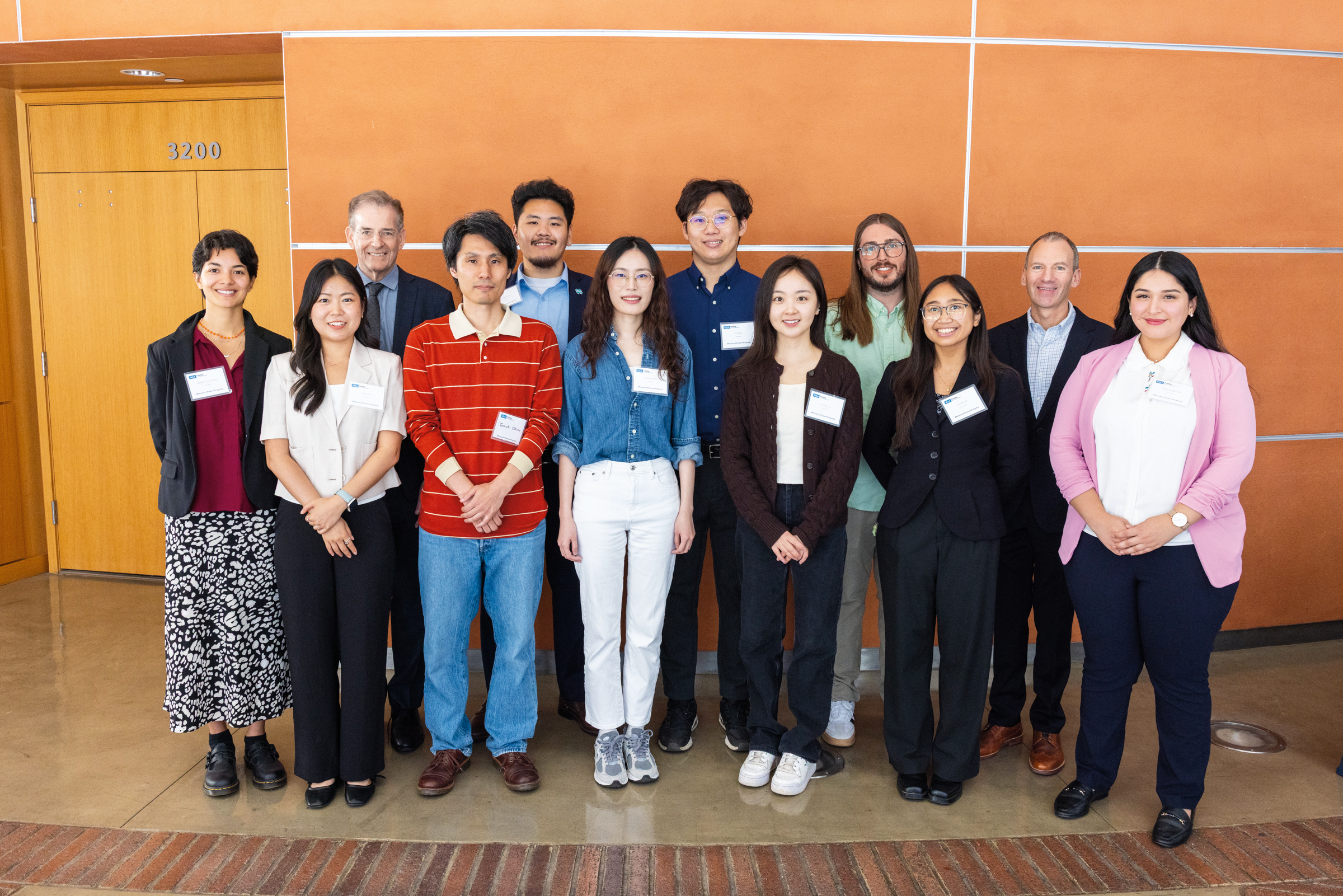
Cho received a fellowship for having the top submission among master’s students, and Yan was awarded a fellowship for having the top submission among doctoral students. “It’s exciting to present my research to the community, and an honor to have been selected as a poster finalist,” says Yan, a third-year doctoral student whose focus is on how individual stressors and experiences with trauma interact with societal sources of stress to affect mental health. “This gave me a chance to talk about my research in a way that’s approachable, and to practice summarizing the key messages in a way that encourages people to engage.”
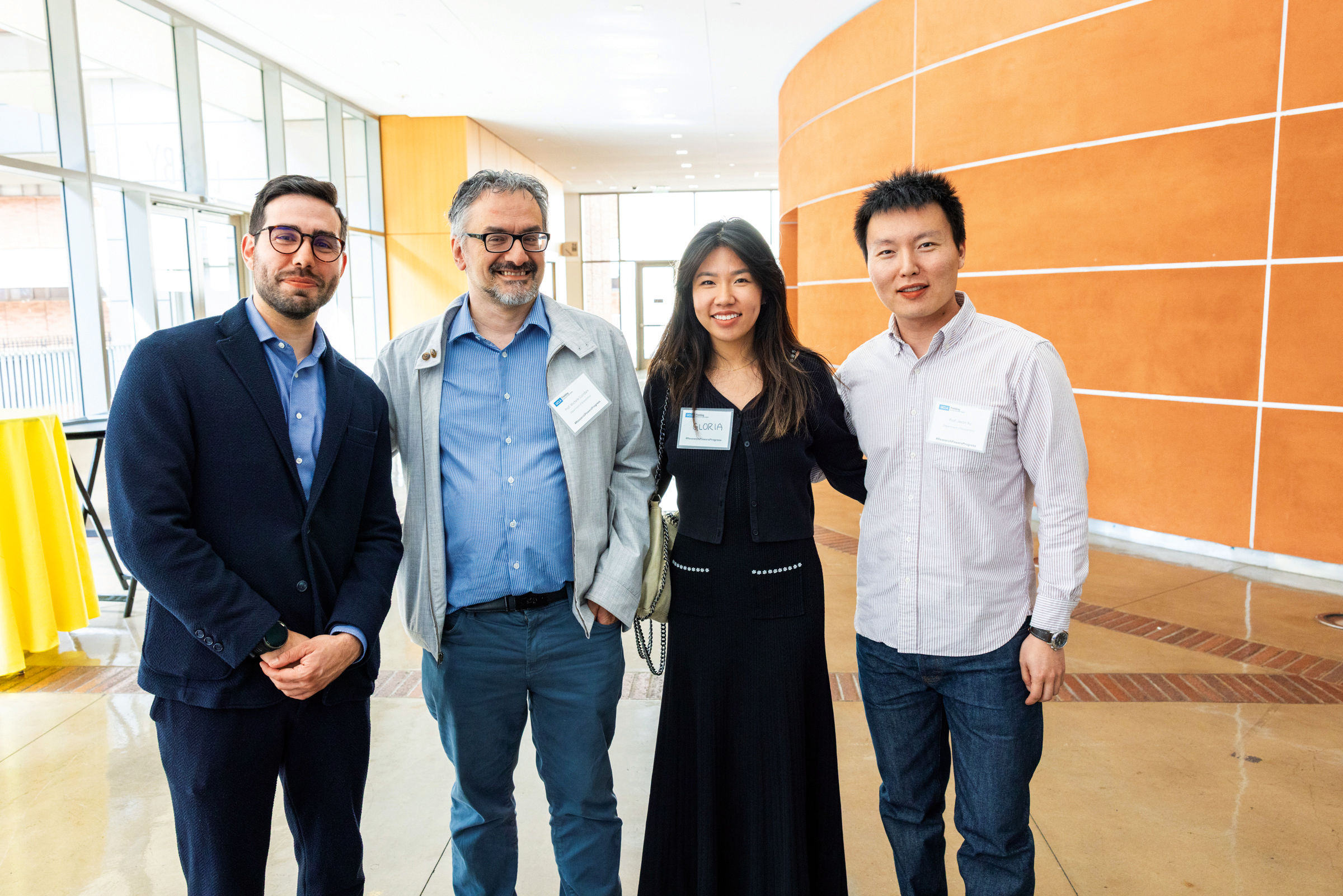
In addition to bringing together members of the FSPH community to celebrate the school’s work and exchange ideas, 2026 Research, Innovation & Impact Day, which was streamed live and posted on the school’s YouTube channel, sought to convey the impact of public health research to an external audience. “Our research isn’t just about writing papers for journals; it’s about using our findings to make the population healthier,” Macinko says. “Events such as this help us explain to a larger audience how societal investments in research can translate into changes in people’s lives that help them live longer, and in better health.”