Faculty Conversation: Promoting Safe Workplaces and Communities
Drs. Rachael Jones and Yoshira Ornelas Van Horne
When it comes to potentially dangerous exposures to environmental hazards, where you work and live matters. Workers in low-wage industries disproportionately experience an array of threats, both known and unknown; similarly, low-income populations are the most likely to live in communities where exposures to harmful pollutants are the highest. In public health, exposure scientists conduct the research that brings attention to these environmental threats, and work with policymakers to develop and ensure compliance with federal regulations, as well as partnering with
communities for actions that address unhealthy and unsafe environments.
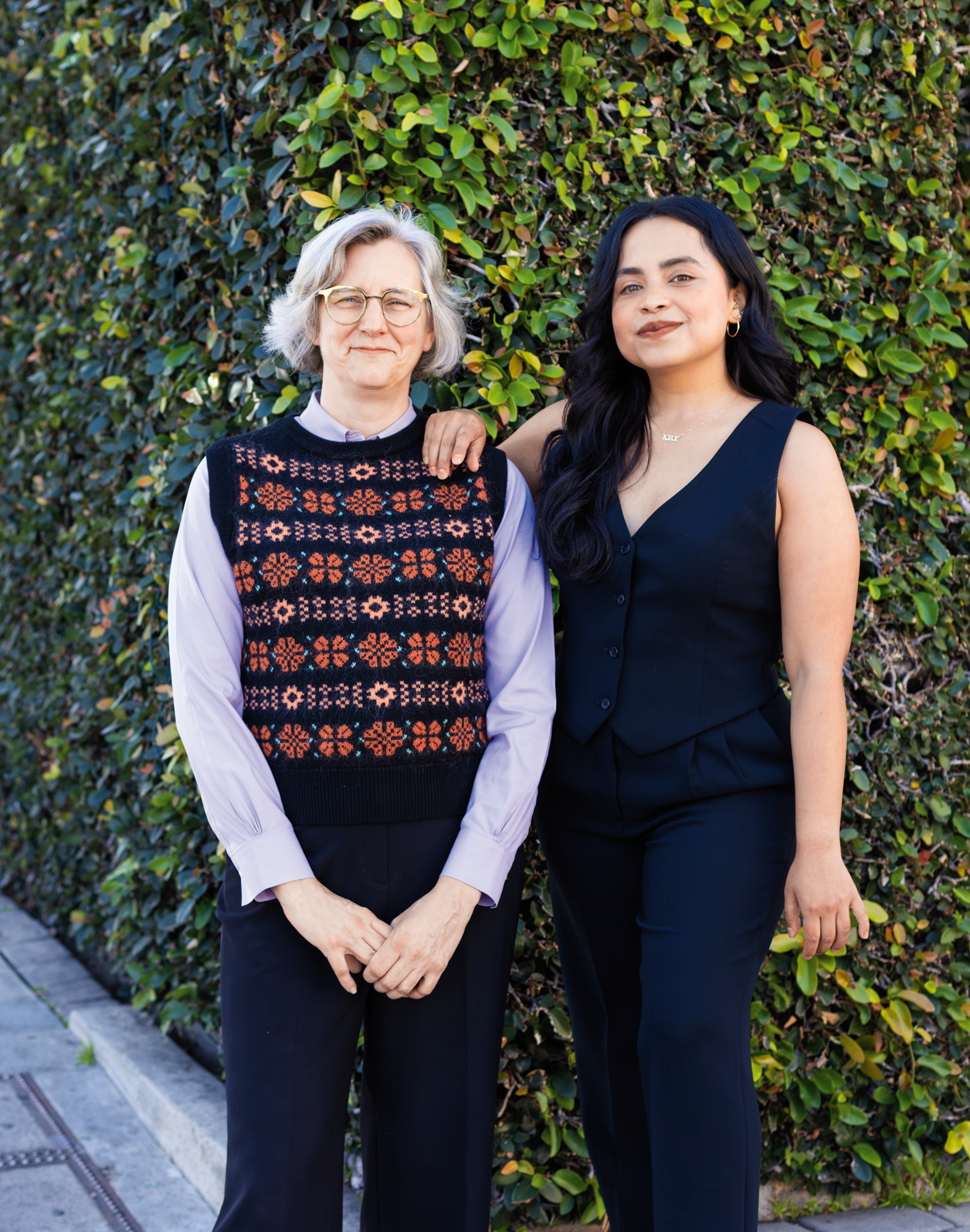
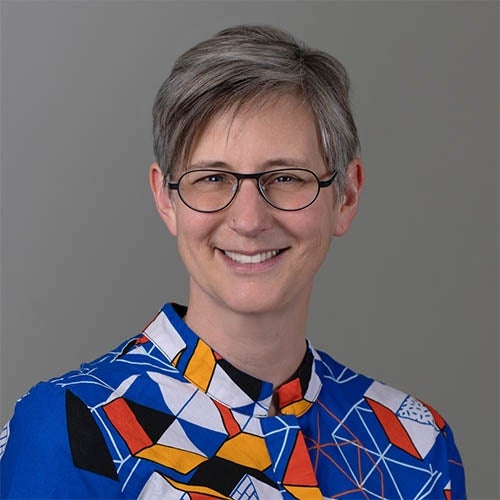
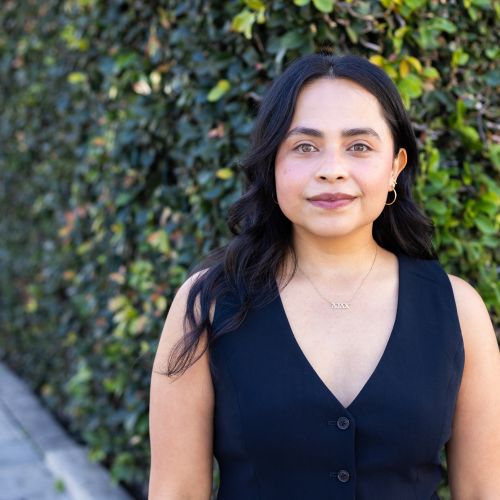
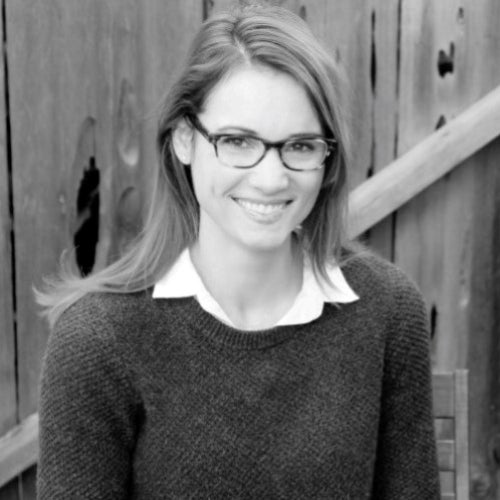
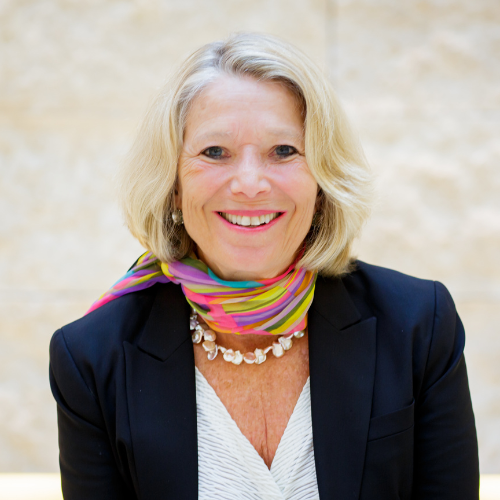
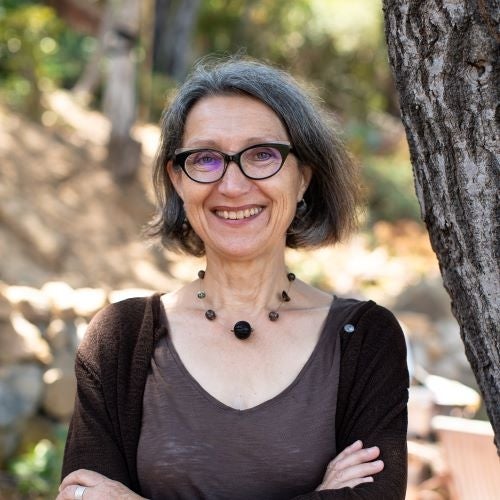
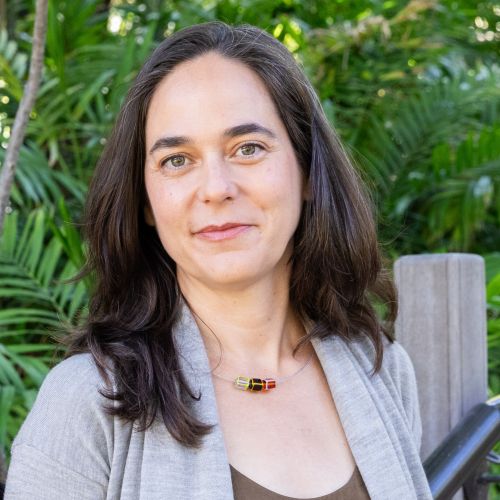
Dr. Rachael Jones, professor and chair of UCLA Fielding’s Department of Environmental Health Sciences, is an exposure scientist and industrial hygienist whose research has centered on the assessment and control of workplace exposures to infectious agents, especially respiratory viruses. More recently, her work has looked at the impact of power and inequity on occupational health and safety. She is director of two FSPH-based centers: the Southern California Education and Research Center, and the Center for Occupational & Environmental Health. Dr. Yoshira Ornelas Van Horne, assistant professor in the department, is an exposure scientist and environmental justice scholar whose research addresses unequal exposures to harmful contaminants that affect structurally marginalized communities. She recently served on a National Academies of Sciences, Engineering, and Medicine panel to improve how federal, state, and local governments conduct cumulative impact assessments that affect public health.
IN THE POPULATIONS BOTH OF YOU STUDY, THERE IS A THEME OF POWER INEQUITY — MARGINALIZED GROUPS DISPROPORTIONATELY SUFFERING FROM EXPOSURES. HOW DOES THAT PLAY INTO YOUR WORK?
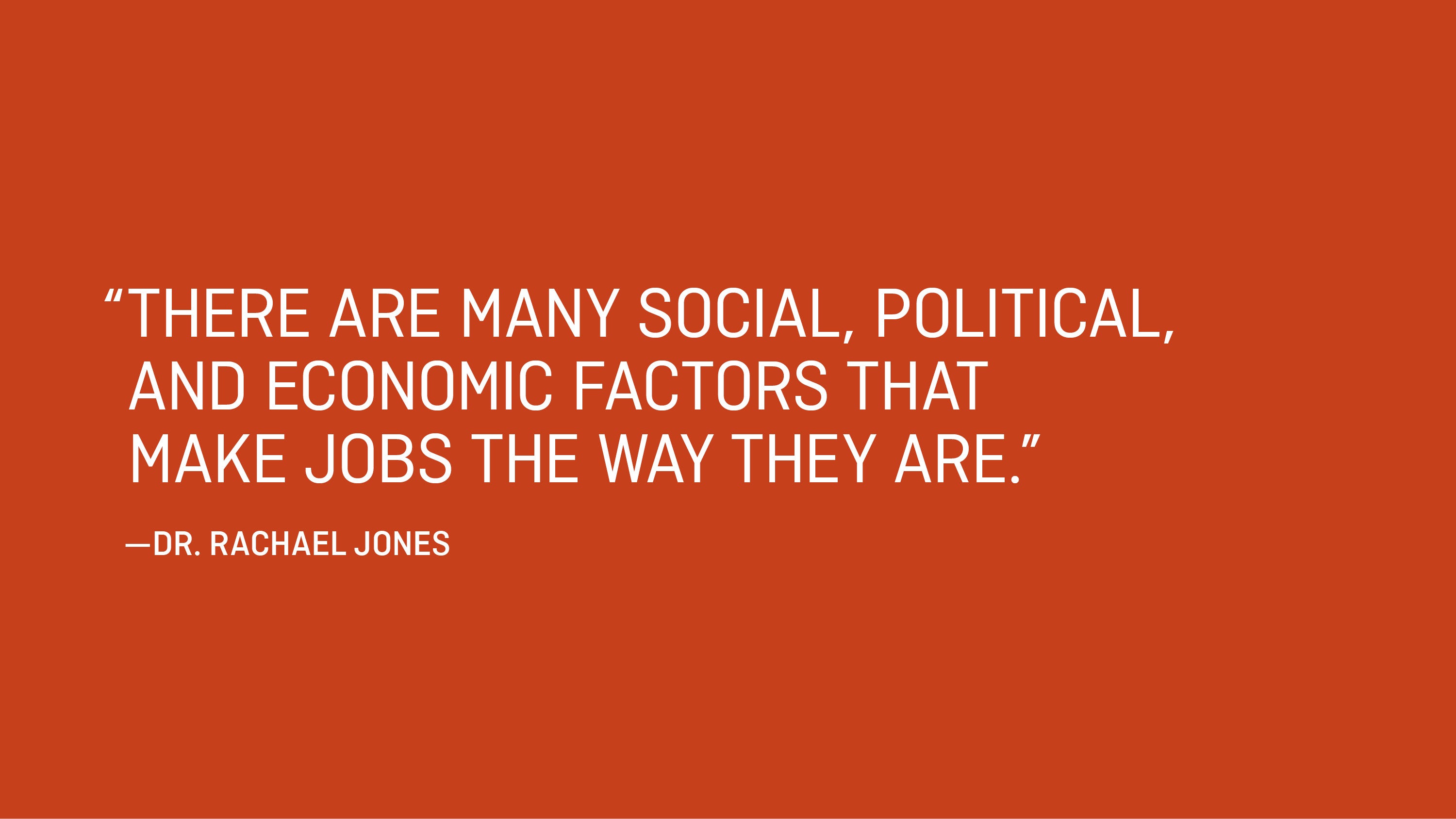
RACHAEL JONES: The industrial hygiene field has traditionally followed a biomedical model: You describe a chemical or other physical stressor in the environment, track whether or not it causes illness in the population, then try to control that exposure. The problem is that there are many social, political, and economic factors that make jobs the way they are. We’ve made lots of progress in reducing exposures over the years — many fewer people are injured, made ill, or killed because of their work today than in the 1960s, 1970s, and prior decades. But we still have many jobs with exposures to chemicals, noise, vibration, and heat — along with psychosocial factors related to wages, access to work, and discrimination that segregate women and communities of color into higher-hazard occupations. My colleagues and I are interested in describing this phenomenon more explicitly, with the goal of changing how jobs are constructed and what people are expected to endure.
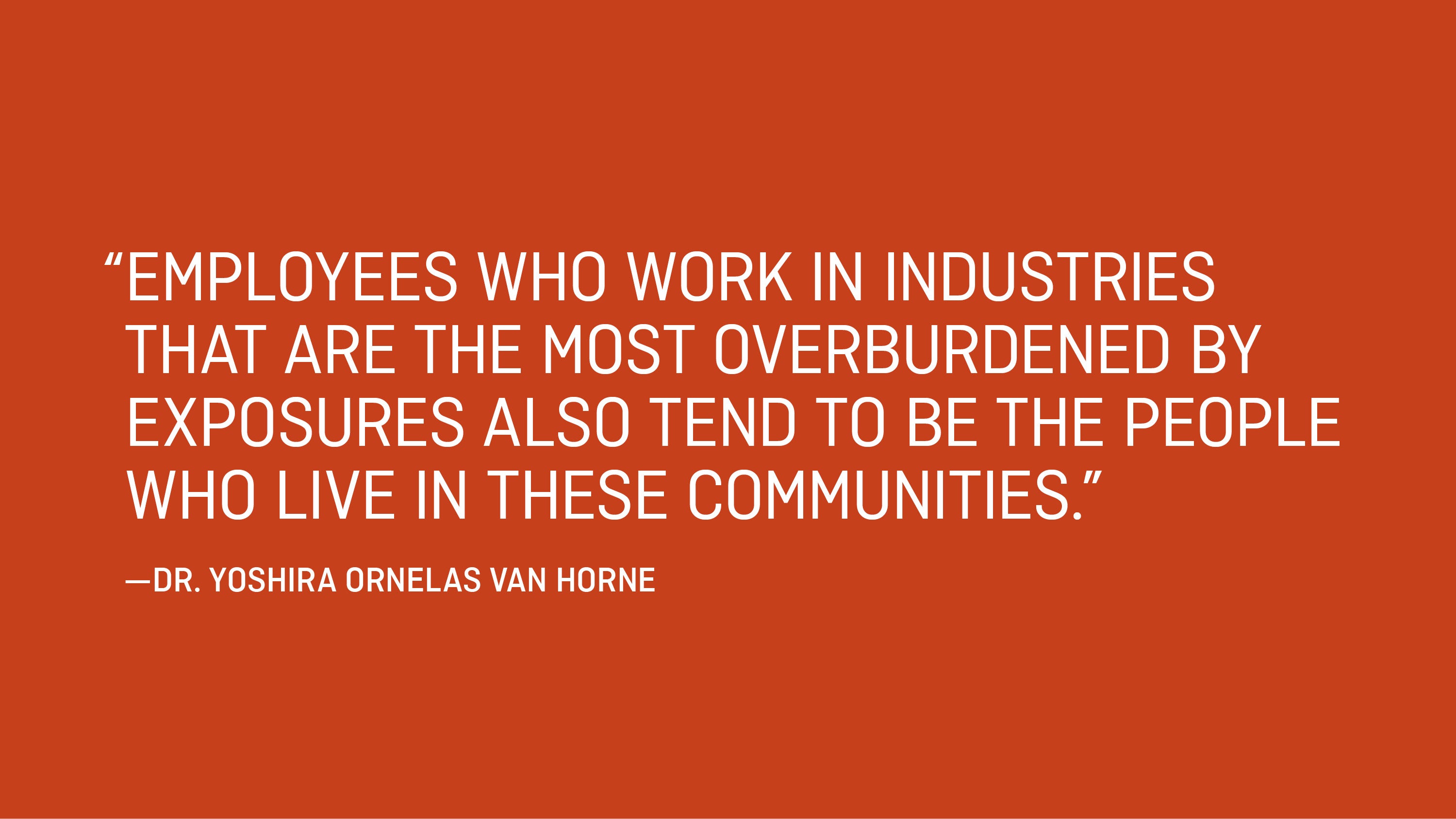
YOSHIRA ORNELAS VAN HORNE: I work with what we call communities at the fenceline of contamination. That means that industries like smelters, fumigation facilities, or petrochemical businesses are located next to these communities, and their proximity to these industrial sources leads them to becoming overexposed. Employees who work in industries that are the most overburdened by exposures also tend to be the people who live in these fenceline communities. So, they are exposed not only at the workplace, but also where they live. There is power in documenting that, then using the knowledge to work with communities and policymakers to address those injustices.
DR. JONES, YOU TALKED ABOUT THE PROGRESS IN REDUCING INJURY, ILLNESS, AND DEATH IN THE WORKPLACE. TO BOTH OF YOU, WHERE ARE YOU ENCOURAGED, AND WHERE HAS PROGRESS BEEN LACKING?
RJ: We have made significant progress in the use of different kinds of process designs in industrial systems that reduce the emission of chemicals and reduce noise exposures. There is also greater recognition that certain chemicals cause diseases, which motivates changes. Unfortunately, though, federal government activities in worker health and safety are sporadic. Early in my career, I was recruited to work on an infectious disease standard for OSHA [the Occupational Safety and Health Administration] because my work is often focused on transmission of respiratory pathogens among healthcare workers. That was around 2012. Well, we still don’t have that standard, and now we’re seeing a push to deregulate. That being said, I was excited to come to UCLA Fielding and to work in California, where there is significant regulatory activity. In this state, we have community and worker organizations that are gathering information and advocating for change, along with a close network of allies that includes the UC campuses, Cal OSHA, and other regulatory bodies and public health agencies.
I will also say that for researchers and advocates, there’s a lot of interest in training workers, which I greatly value. But the workers can’t change their workplace. That’s the responsibility of their employers, and there is not a strong enforcement mechanism. So one of the big frustrations to me is that, as much as I enjoy the time spent educating workers and answering their questions, they have very limited control about how their workplace actually changes.
YOVH: We had been seeing a push for environmental justice through funding for programs and research, but much of that has been gutted at the federal level, and that progress has stalled. So, for those of us in this field, it’s a scary time. The focus has shifted to state and local systems, and at least in California, there have been many environmental justice wins. For example, I’m working with Rise St. James, a grassroots organization that has been advocating for their community in an area known as Cancer Alley in Louisiana [an 85-mile stretch where numerous petrochemical plants expose communities to harmful chemicals]. In California, the regulatory landscape is much more robust after years of advocacy groups pushing for SB 1137. Through this mandate, if there’s a new oil well being built in Los Angeles County, it has to be set at least 3,500 feet away from what are known as sensory-receptor sites, like childcare, schools, and people’s homes. Similarly, in California, while the rule-making process is complicated, there is a greater recognition and democratization of the enforcement and permitting process.
WHAT DO YOU SEE AS THE MOST IMPORTANT SKILLS FOR THE NEXT GENERATION OF EXPOSURE SCIENTISTS?
YOVH: I feel very strongly about mentoring the next generation, both at UCLA and through my work with Agents of Change, a national fellowship program aimed at providing science communication and policy translation training to emerging researchers. I currently work with high school students as part of two grants I have. One is to build capacity for Indigenous communities to measure air contaminants. Less than 15% of these communities currently have the capacity to do their own air monitoring. The other is a federal grant to engage South Dakota students in research in their homelands. The best moments for me are when students cross the bridge from repeating information to having their own ideas and make the connection between the science and what they have seen in their own communities.
RJ: In terms of the skills, I have a very expansive view of the field and a strong belief that people with all different competencies can make contributions to our overall mission. There’s so much need in occupational and environmental health that, regardless of whether or not you completed organic chemistry laboratory, if you have a passion and the ability to think and use your voice, I believe you can make a difference.
YOVH: I agree, passion is everything. I’m of the mentality that we can teach our students the technical skills, but we can’t teach passion.
WHAT DO YOU SEE AS NEW CHALLENGES FOR THE FIELD, AND WHAT MAKES YOU HOPEFUL THAT PROGRESS CAN BE MADE?
YOVH: There’s so much interest in AI, and I think there’s a lot we can automate in terms of integrating these new satellite data, sensor data, and public data sets much more quickly than in the past. But we still need primary data collection to answer fundamental questions of whether enforcement is working and exposures are being reduced. So, while the field is moving in this big-data, “let’s measure everything” mentality, capacity-building efforts and student training programs that are well versed in what it takes to conduct primary data collection for action remain essential.
RJ: On the positive side, advances in technology continue to make the way we measure things a lot easier, which democratizes the data collection and makes it more important than ever that we be able to articulate the needs, motivations, and implications of our findings, whether to regulators or communities. I’m hoping this will lead us to return to a time where we have more collective action.
Faculty Referenced in this Article
Industrial Hygiene & Analytical Chemistry




Associate Professor for Industrial Hygiene and Environmental Health Sciences
Dr. Hankinson is a Distinguished Professor of Pathology and Laboratory Medicine, and of EHS, and Chair of the Molecular Toxicology IDP